


When people think about living a healthy life, they usually focus on eating better and exercising more. These are both important, but there is one key factor many people forget — sleep.
Sleep is not just rest. It is a powerful tool that helps your body heal, grow, and stay strong. Good sleep is just as important as food, water, and air. In fact, without enough sleep, your body cannot work the way it should — no matter how healthy your diet or how often you work out.
Let’s explore why sleep is so important, how it affects your body, and how you can improve your sleep easily at home.
What Happens to Your Body When You Sleep?
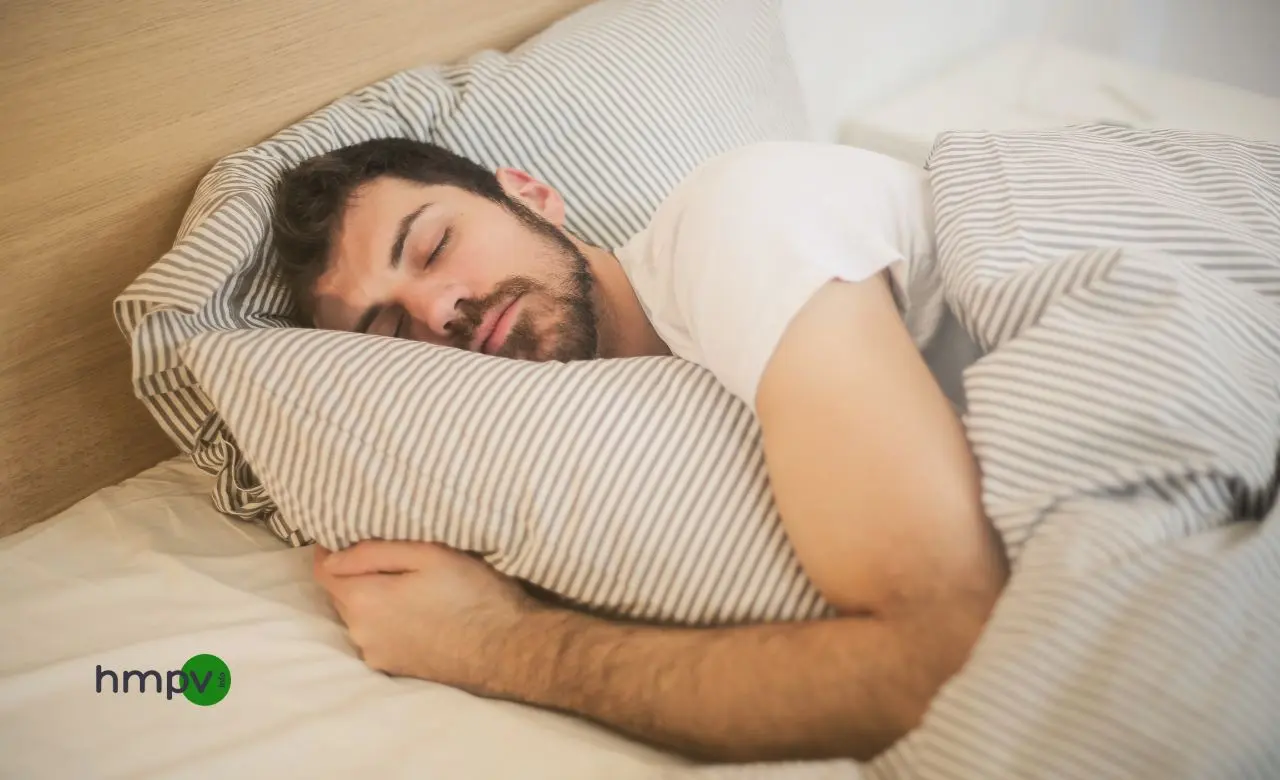
While you are sleeping, your body is very active — even if you feel still. Some of the most important processes happen while you sleep:
- Your brain clears waste and stores memories
- Your body repairs muscles, tissues, and cells
- Your immune system becomes stronger
- Your hormones stay balanced
Think of sleep as your body’s way of pressing the reset button. Every system gets a chance to rest, reset, and prepare for the next day.
Sleep and Your Immune System
Your immune system protects you from bacteria, viruses, and other harmful germs. When you get enough sleep, your immune system is better at:
- Making special proteins called cytokines that fight illness
- Controlling inflammation
- Responding quickly to infections
If you don’t sleep well, your body may not produce enough of these cytokines. That means you could get sick more often or take longer to recover.
Sleep and Your Physical Health
Sleep affects your entire body. People who don’t sleep enough are more likely to have:
- High blood pressure
- Weight gain or obesity
- Heart disease and diabetes
- Low energy and fatigue
Also, poor sleep can make it harder to breathe well and may increase your chances of problems like snoring or sleep apnea.
Even if you eat healthy and exercise, these efforts can be less effective if your body is not getting enough rest.
Sleep and Mental Health
Sleep doesn’t only affect the body — it also impacts the brain. Poor sleep can lead to:
- Feeling more stressed
- Increased anxiety or depression
- Poor focus and memory
- Mood swings or irritability
Getting enough rest can improve your mood, make you feel calmer, and help you think more clearly.
How Much Sleep Do You Really Need?
The amount of sleep you need depends on your age. Here’s a simple guide:
|
Age Group |
Recommended Sleep |
|
Babies (0–1 yr) |
12–16 hours/day |
|
Children (1–12) |
10–12 hours/day |
|
Teens (13–18) |
8–10 hours/day |
| Adults (18–60+) |
7–9 hours/day |
Remember, quality matters too. It’s not just about how long you sleep, but how well you sleep.
What Happens If You Don’t Sleep Enough?
Lack of sleep can affect many areas of your life. Some common problems people face when they are sleep-deprived include:
- Trouble waking up in the morning
- Feeling sleepy during the day
- Low energy and motivation
- Getting sick often
- Cravings for junk food
- Poor work or school performance
Long-term sleep problems may even lead to chronic health issues like diabetes, heart problems, or mental health disorders.
7 Simple Tips to Improve Your Sleep Naturally
You don’t always need pills to sleep better. Here are some easy and natural ways to improve your sleep starting tonight:
1. Stick to a Regular Sleep Schedule
Go to bed and wake up at the same time every day — even on weekends. This helps your body build a natural rhythm.
2. Create a Bedtime Routine
Doing the same things before bed — like brushing your teeth, reading a book, or taking a warm shower — tells your brain it’s time to sleep.
3. Avoid Screens Before Bed
Mobile phones, TVs, and laptops give off blue light that tricks your brain into staying awake. Try to turn them off at least 30–60 minutes before sleeping.
4. Keep Your Room Dark and Cool
Use thick curtains, eye masks, or fans to make your bedroom quiet, dark, and cool. Your body sleeps best in this kind of environment.
5. Cut Down on Caffeine and Sugar
Coffee, tea, chocolates, and energy drinks can keep you awake. Avoid them in the evening or late afternoon.
6. Avoid Heavy Meals at Night
Eating a large or spicy meal late at night can cause stomach trouble and disturb your sleep.
7. Try Deep Breathing or Meditation
If your mind is too busy to sleep, try slow breathing or simple meditation. This helps your body relax and fall asleep faster.
Bonus Tip: Use Sleep-Tracking Apps
If you want to understand your sleep better, try using a sleep tracking app. Some apps can tell you how long you sleep, when you wake up, and how deep your sleep is. This can help you make changes and improve over time.
Real Life Example: Sleep and Your Daily Life
Imagine two people: one sleeps 8 hours a night, the other sleeps only 4–5 hours. The first person:
- Feels fresh in the morning
- Eats better
- Works with focus
- Rarely falls sick
The second person:
- Feels tired all day
- Craves sugar or junk food
- Can’t focus on work or studies
- Often gets sick
Just one simple change — better sleep — can make a huge difference in your energy, mood, and health.
Final Thoughts: Make Sleep a Priority
Sleep is not a waste of time — it is one of the best things you can do for your health. It helps your body, brain, and mood work better. If you’re trying to live a healthier life, don’t skip this important part.
So tonight, skip the scrolling, dim the lights, and give your body the rest it truly needs.
Key Takeaways
- Sleep helps your body heal, grow, and fight illness
- Poor sleep can lead to physical and mental health issues
- Most adults need 7–9 hours of sleep per night
- Small habits like turning off screens and keeping a routine can improve sleep
- Sleep is a natural and powerful way to improve your overall lifestyle









Leave a Reply