


When it comes to respiratory infections, many people are familiar with viruses like influenza or RSV (Respiratory Syncytial Virus). However, there is another important player in this domain that often goes unnoticed: Human Metapneumovirus (HMPV). This virus, first identified in 2001, has been recognized as a significant cause of respiratory illnesses, especially in children, the elderly, and immunocompromised individuals. Let’s explore what HMPV is, its symptoms, causes, treatment options, and ways to prevent it.
What is Human Metapneumovirus (HMPV)?
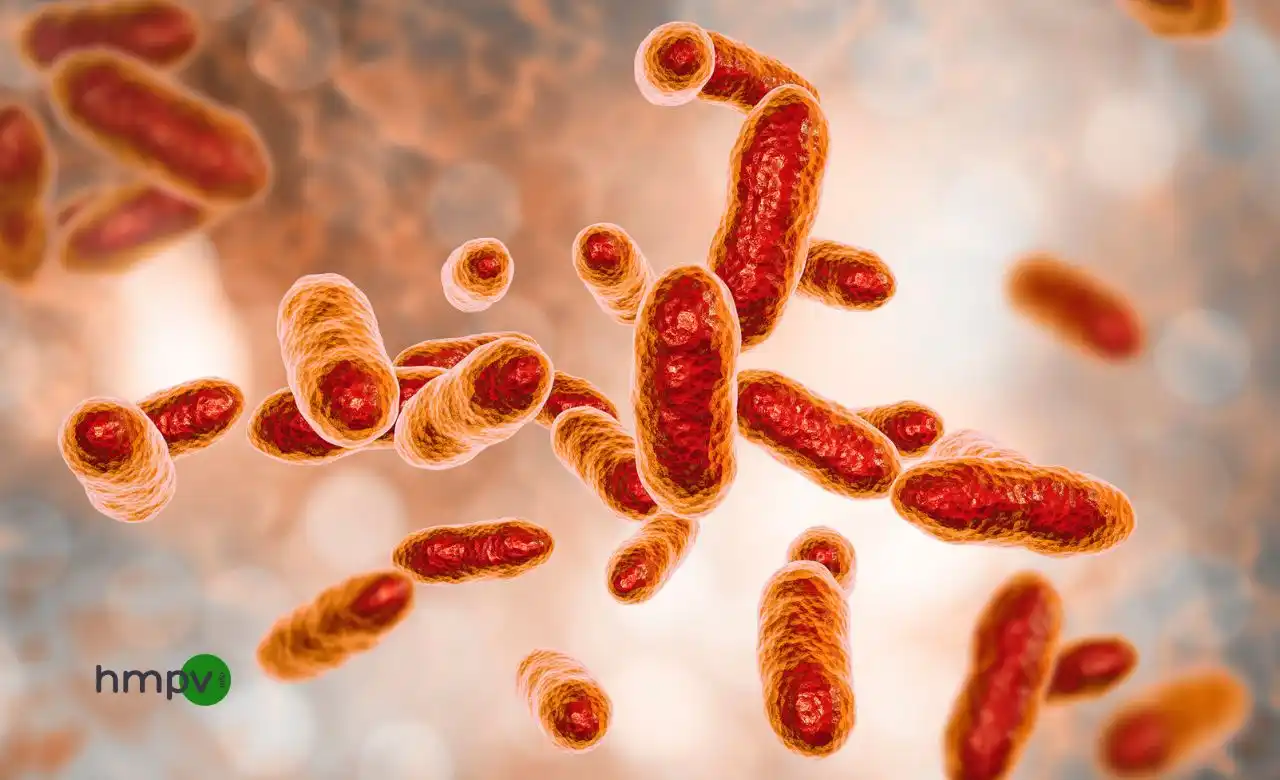
Human Metapneumovirus belongs to the family Paramyxoviridae, which also includes the viruses responsible for RSV and measles. HMPV primarily targets the respiratory tract, leading to infections that range from mild colds to severe illnesses like pneumonia and bronchitis.
- History: Discovered by Dutch researchers in 2001, studies have shown that HMPV may have been circulating undetected for over 50 years.
- Affected Groups: The virus is especially common in young children, but it also impacts adults, particularly those with weakened immune systems or chronic health conditions.
Symptoms of HMPV
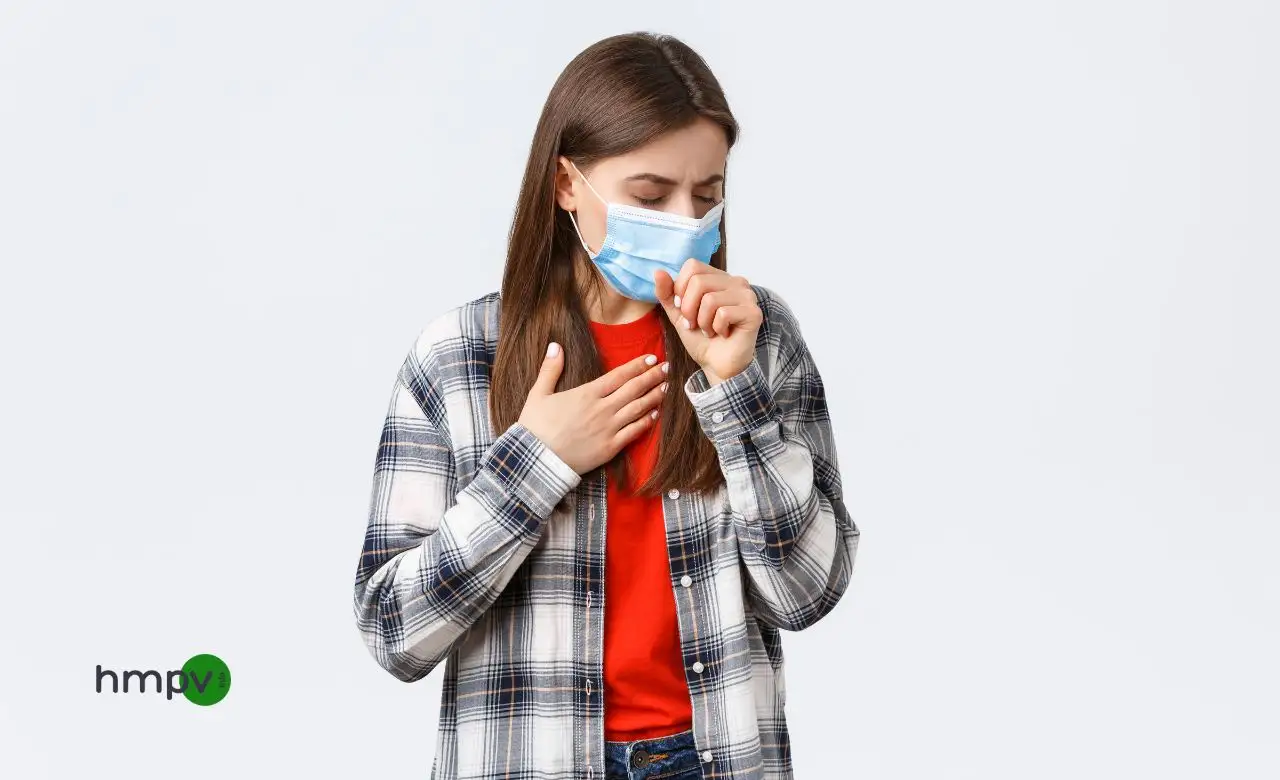
The symptoms of an HMPV infection can vary in severity depending on the age and health status of the individual. Common signs include:
- Fever
- Cough
- Nasal congestion
- Shortness of breath
- Wheezing
- Sore throat
- Fatigue
In severe cases, Human Metapneumovirus causes complications such as pneumonia or bronchiolitis, particularly in infants and elderly adults. If left untreated, it may require hospitalization.
Causes and Spread of HMPV
HMPV is primarily transmitted through respiratory droplets from infected individuals. Here are the main ways it spreads:
- Close contact with an infected person (e.g., touching or kissing).
- Contaminated surfaces where the virus can survive for several hours.
- Airborne droplets released when someone coughs or sneezes.
HMPV infections occur seasonally, often peaking during the late winter and early spring months, similar to RSV and influenza outbreaks.
HMPV vs. RSV: What’s the Difference?
While RSV (Respiratory Syncytial Virus) and HMPV share many similarities in their symptoms and affected populations, key differences exist:
- Genetics: HMPV is genetically distinct, though both viruses belong to the Paramyxoviridae family.
- Frequency: RSV is generally more well-known and widely studied than HMPV.
- Outcomes: Severe cases of HMPV can mimic RSV but may be less likely to recur frequently.
Diagnosing Human Metapneumovirus
Accurate diagnosis is essential for managing HMPV. Medical professionals may use the following methods:
- PCR (Polymerase Chain Reaction) Tests: Highly accurate and detects viral genetic material.
- Rapid Antigen Tests: Common but less sensitive than PCR.
- Chest X-rays: Used to identify complications like pneumonia.
Timely diagnosis can help differentiate HMPV from other respiratory infections and ensure appropriate treatment.
Treatment Options for HMPV
Currently, there are no specific antiviral treatments approved for HMPV. Instead, care focuses on relieving symptoms:
- Rest and Hydration: Essential for recovery.
- Over-the-Counter Medications: Used to reduce fever and alleviate symptoms like nasal congestion and coughing.
- Hospital Care: In severe cases involving pneumonia or bronchiolitis, oxygen therapy and intensive care may be necessary.
Research is ongoing for potential vaccines and targeted antiviral therapies to combat HMPV.
Prevention Tips: How to Avoid HMPV
Preventing HMPV infections involves basic hygiene practices and protecting vulnerable populations:
- Wash Your Hands: Frequent handwashing with soap and water reduces the risk of transmission.
- Avoid Close Contact: Keep distance from infected individuals.
- Disinfect Surfaces: Regularly clean high-touch areas, especially during outbreaks.
- Boost Your Immunity: Maintain a healthy diet and get adequate sleep.
- Vaccination Research: Stay updated on future developments regarding HMPV vaccines.
FAQs About Human Metapneumovirus
Q: Can adults get HMPV? A: Yes, while children are most commonly affected, adults, particularly those with compromised immune systems, can also contract HMPV.
Q: Is HMPV the same as RSV? A: No, HMPV and RSV are different viruses, though both can cause similar respiratory symptoms.
Q: Are there long-term effects of HMPV? A: Most individuals recover fully, but those with severe cases, especially the elderly, may experience lingering respiratory issues.










Leave a Reply