

Skin cancer—it’s not just something that happens to other people. It doesn’t care if you’re young, if you only tan “a little,” or if you think your skin is too dark to be at risk. The truth? Skin cancer is the most common cancer worldwide, and it can happen to anyone.
But here’s the good news: When caught early, it’s highly treatable. And even better? Most cases are preventable.
So, let’s talk about it. How do you spot the warning signs? Who’s at risk? And most importantly, what can you do to protect yourself and your loved ones?
Early Signs of Skin Cancer: What to Watch For
Most skin cancers start small. A tiny spot. A harmless bump. But then—something changes.
Here’s what to look for:
1. The “Ugly Duckling” Spot
If one mole or spot looks different from the rest, pay attention. It could be a sign of melanoma—the deadliest form of skin cancer.
2. A Sore That Won’t Heal
Got a cut or scab that just won’t go away? If it’s been there for weeks and keeps bleeding or crusting over, it could be skin cancer.
3. Changing Moles (Use the ABCDE Rule)
- A – Asymmetry (One half looks different from the other)
- B – Border (Edges are blurry, jagged, or irregular)
- C – Color (Multiple colors in one mole—brown, black, red, or white)
- D – Diameter (Larger than a pencil eraser)
- E – Evolving (Growing, changing, or itching)
4. A New Growth That Looks Weird
Basal and squamous cell cancers often look like shiny bumps, rough patches, or red scaly spots. They might seem harmless but don’t ignore them.
5. Itchy, Bleeding, or Painful Spots
Skin cancer doesn’t always hurt, but if a mole or spot starts itching, bleeding, or hurting—get it checked out.
Bottom line: If something looks or feels off, see a doctor. It’s better to be safe than sorry.
Risk Factors: Who is Most at Risk?
Anyone can get skin cancer, but some people have a higher chance than others.
- Fair Skin, Light Hair, and Blue or Green Eyes – Less melanin means less protection from UV rays.
- Frequent Sun Exposure – If you work outside or love tanning, your risk goes way up.
- A History of Sunburns – One bad sunburn in childhood doubles your risk of melanoma later in life.
- Tanning Bed Use – Just one indoor tanning session increases melanoma risk by 20%.
- Family History – If a close relative had skin cancer, your risk is higher.
- A Weak Immune System – If you have a weakened immune system (from illness or medication), your skin is more vulnerable.
- Lots of Moles or Unusual Moles – More moles mean a greater chance of developing melanoma.
If any of these sound like you, take extra precautions. Your skin deserves protection.
Prevention: How to Protect Yourself
1. Wear Sunscreen—Every. Single. Day.
Use a broad-spectrum SPF 30+ sunscreen every day, even when it’s cloudy. Reapply every two hours if you’re outside.
2. Avoid Peak Sun Hours (10 AM – 4 PM)
This is when the sun’s rays are the strongest. If you must be outside, find shade.
3. Cover Up
Wear hats, sunglasses, and long sleeves when outdoors. Dark, tightly woven fabrics provide the best protection.
4. Ditch the Tanning Beds
No tan is worth the risk. A fake tan (self-tanner) is the only safe tan.
5. Check Your Skin Monthly
Look at your skin from head to toe. Use a mirror or ask a loved one for help. Catching changes early could save your life.
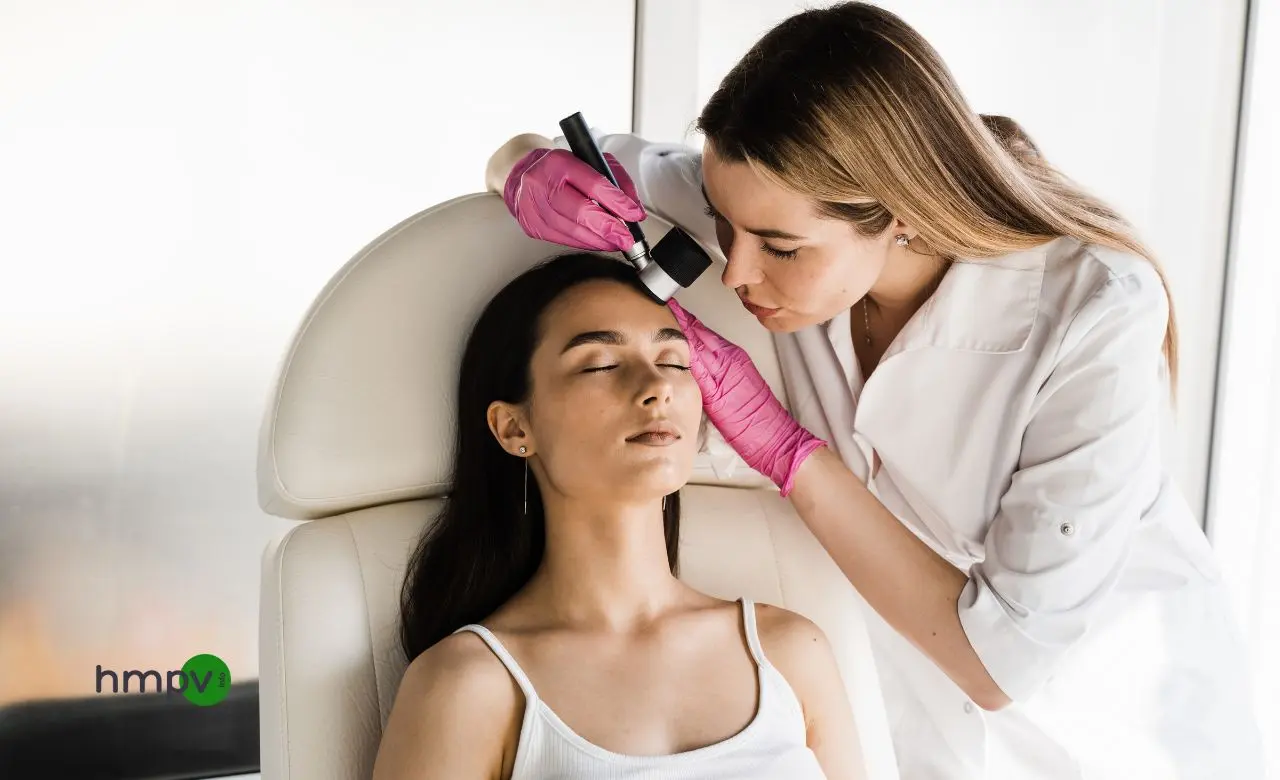
6. See a Dermatologist Once a Year
A skin check with a dermatologist is quick, painless, and could save your life. If you have risk factors, don’t skip it.
Final Thoughts: Your Skin, Your Responsibility
Skin cancer doesn’t happen overnight—it’s years of sun exposure adding up. But you have the power to lower your risk. Protect your skin, check for changes, and never ignore warning signs.








Leave a Reply