

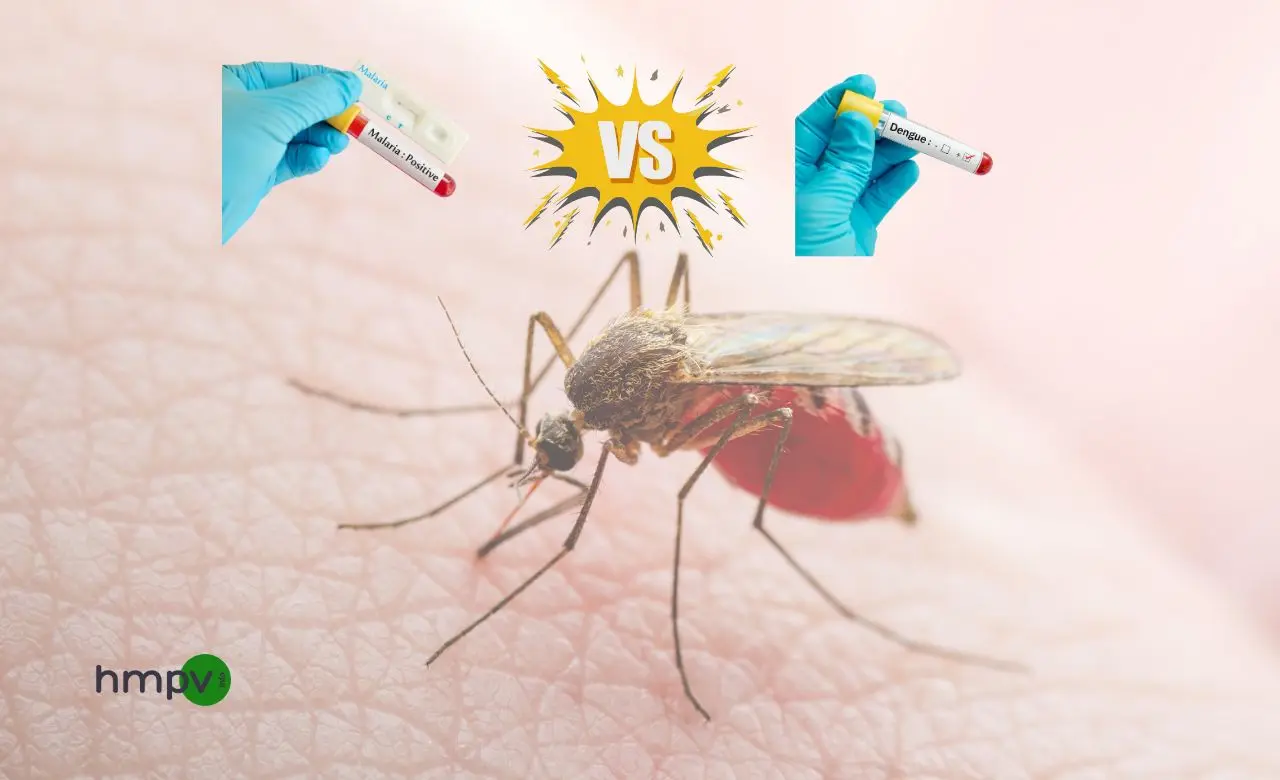
Every year, during the monsoon season, many people in India suffer from fever, body pain, and weakness. These symptoms are common in both malaria and dengue, two major mosquito-borne diseases. Because the early signs look alike, it often becomes confusing to know whether it is malaria or dengue.
In this blog, we will explain the difference between malaria symptoms and dengue symptoms in simple words. By the end, you will know how to identify the first signs, what to watch out for, and when to seek medical help.
Why Compare Malaria and Dengue Symptoms?
Both malaria and dengue are spread by mosquito bites.
-
Malaria is caused by a parasite called Plasmodium.
-
Dengue is caused by the dengue virus.
Since both diseases cause high fever and weakness, people usually search:
-
“Malaria vs Dengue Symptoms”
-
“First signs of malaria vs dengue”
-
“How to know if fever is malaria or dengue”
Knowing the difference in symptoms is important. Quick detection helps doctors give the right treatment and avoid serious health risks.
Early Symptoms of Malaria
The first signs of malaria usually appear 10–15 days after a mosquito bite. Sometimes, it may take longer depending on the type of parasite.
Common malaria symptoms include:
-
Sudden fever with chills and sweating
-
Headache
-
Tiredness and body weakness
-
Muscle and joint pain
-
Nausea or vomiting
Severe malaria symptoms may include:
-
Trouble breathing
-
Jaundice (yellow eyes and skin)
-
Seizures
-
Dark or bloody urine
-
Loss of consciousness
Important: Malaria symptoms often come in cycles. Fever may rise, fall, and return again after 24–48 hours.
Early Symptoms of Dengue
The first symptoms of dengue appear 4–7 days after a mosquito bite.
Common dengue symptoms include:
-
Sudden high fever (often 104°F or higher)
-
Severe headache
-
Pain behind the eyes
-
Intense body pain (muscles and joints)
-
Skin rash appearing 2–5 days after fever starts
-
Nausea and vomiting
Warning signs of severe dengue (dengue hemorrhagic fever):
-
Bleeding gums or nose
-
Small red spots on skin
-
Severe stomach pain
-
Difficulty breathing
-
Persistent vomiting
Important: Dengue is also called “breakbone fever” because of the intense joint and muscle pain it causes.
Malaria vs Dengue Symptoms: Key Differences
Here is a simple comparison table that highlights the difference between the two:
| Feature | Malaria Symptoms | Dengue Symptoms |
|---|---|---|
| Cause | Plasmodium parasite | Dengue virus |
| Mosquito type | Anopheles mosquito | Aedes aegypti mosquito |
| Onset of symptoms | 10–15 days after bite | 4–7 days after bite |
| Fever pattern | Comes in cycles (chills → fever → sweating) | Sudden high fever (104°F or more) |
| Body pain | Mild to moderate body pain | Very severe muscle & joint pain |
| Headache | Common, but not specific | Severe headache with pain behind eyes |
| Rash | Rare | Common (appears 2–5 days after fever) |
| Severe signs | Seizures, jaundice, dark urine, unconsciousness | Bleeding gums, nosebleeds, red spots, severe stomach pain |
How to Identify Quickly
When you get fever during monsoon, ask these questions:
-
Is the fever coming in cycles with chills and sweating?
→ Likely malaria. -
Is the fever very high with severe body pain and pain behind the eyes?
→ Likely dengue. -
Do you see skin rashes or small red spots?
→ More common in dengue. -
Is there yellowing of eyes or dark urine?
→ More common in malaria.
These are general signs. Only a doctor and proper tests can confirm the disease.
When to See a Doctor
Do not wait if you have:
-
Very high fever lasting more than 2 days
-
Severe body pain or headache
-
Bleeding, vomiting, or breathing problems
-
Jaundice or seizures
👉 Both malaria and dengue can become life-threatening if not treated on time. A simple blood test can confirm the diagnosis.
Prevention is Better than Cure
Since both diseases spread through mosquitoes, the best protection is mosquito control:
-
Use mosquito nets while sleeping.
-
Wear full-sleeved clothes.
-
Apply mosquito repellent.
-
Do not allow water to collect around your home.
Malaria and dengue are dangerous, but knowing the difference in symptoms helps in early action.
-
Malaria symptoms: fever with chills, sweating, and cycles of fever.
-
Dengue symptoms: sudden high fever, severe body pain, pain behind eyes, and rash.
If you or your family experience these symptoms, visit a doctor immediately.
Remember: Early diagnosis saves lives. Stay safe, stay alert during the monsoon season.













Leave a Reply