

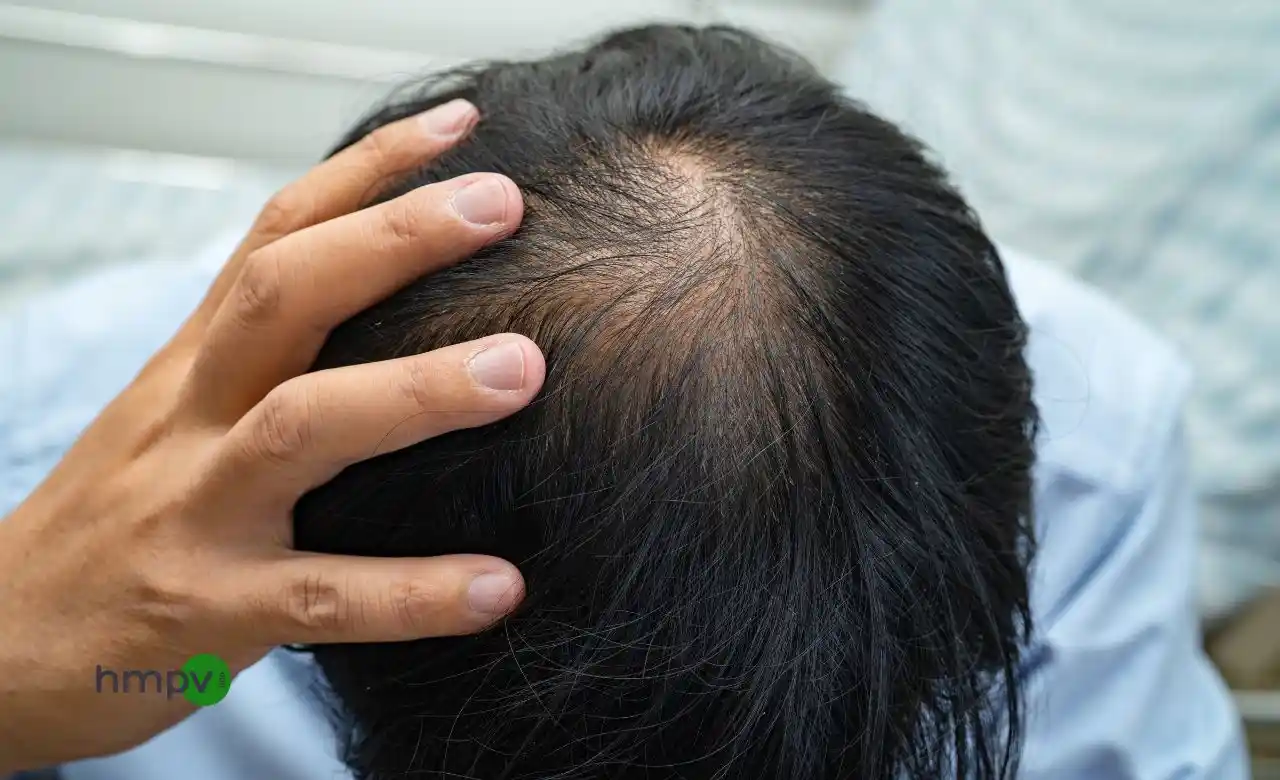
Hair loss is a personal issue. For many, it affects their confidence, their self-esteem, and even how they feel about themselves. If you’re losing hair, you may have wondered about a hair transplant. Is it the answer to your problems, or is it a decision best avoided? In this blog, we’ll dive into the cost, risks, and results of hair transplants, so you can decide whether it’s worth it for you.
What is a Hair Transplant?
Simply put, a hair transplant is a procedure where hair follicles are moved from one part of your body (usually the back of the head) to an area that’s thinning or bald. The goal is to restore natural hair growth in the areas where you’ve lost hair. It’s a permanent solution, unlike hair pieces or temporary treatments.
There are two main types of hair transplant methods:
- FUE (Follicular Unit Extraction) – Individual hair follicles are removed and transplanted one by one.
- FUT (Follicular Unit Transplantation) – A strip of skin with hair is removed from the donor area and divided into small grafts.
Both methods can give great results, but which one is better for you depends on your goals, hair type, and personal preferences.
How Much Does a Hair Transplant Cost?
This is one of the most common questions people ask about hair transplants. Unfortunately, the cost is not a one-size-fits-all answer. Hair transplant prices can range widely based on several factors:
- Location – In countries like the U.S. or the U.K., hair transplants are more expensive.
- Surgeon’s Experience – More experienced surgeons usually charge more.
- Size of the Area to Be Treated – Larger bald spots will require more grafts, raising the cost.
On average, you can expect to pay anywhere between $4,000 and $15,000 for a hair transplant. Keep in mind, this is usually not covered by insurance because it’s considered a cosmetic procedure.
What Are the Risks Involved?
Like any surgery, a hair transplant has its risks. While the procedure is generally safe, it’s important to understand what could go wrong:
- Infection – The surgical site could get infected, leading to complications.
- Scarring – Both FUE and FUT methods can leave small scars. FUT may leave a linear scar at the back of your head, while FUE usually leaves tiny, dot-like scars.
- Shock Loss – This is a condition where newly transplanted hair may fall out before it grows back. It’s temporary, but it can be disheartening.
- Unnatural Look – If the procedure isn’t done correctly, you could end up with hair that looks “pluggy” or unnatural.
- Donor Area Damage – In some cases, the area from where the hair is harvested can suffer damage, leading to thinning in the donor region.
Choosing an experienced and board-certified surgeon can help minimize these risks and increase the chances of a successful result.
What Results Can You Expect?
This is where it gets exciting. A successful hair transplant can give you natural-looking, thick hair that restores your confidence. But keep in mind, the results don’t happen overnight.
- First Few Months – After the transplant, your newly transplanted hair may fall out. Don’t panic—this is part of the process.
- 6-12 Months – You’ll start to see new hair growth. The hair might be thin at first, but over time, it’ll thicken up.
- 1 Year and Beyond – At this point, the results should be fully visible. You’ll see the final hairline and thickness, which should blend naturally with your existing hair.
Is It Worth It?
Here’s the million-dollar question: Is a hair transplant worth it? The answer depends on several things:
- Your Goals – If you’ve been struggling with hair loss and feel like you’ve tried everything else, a hair transplant might offer the results you’ve been searching for.
- Your Budget – It’s a significant investment, so ask yourself if you’re willing to spend the money for a long-term solution.
- Your Health – If you have any medical conditions that could interfere with healing, like autoimmune diseases, a hair transplant might not be right for you.
A hair transplant can truly transform your appearance and restore your self-confidence. But it’s important to weigh the costs and risks before making a decision.
Final Thoughts
Hair loss doesn’t have to define you. Whether you decide to go for a hair transplant or try other treatments, the key is making a choice that makes you feel comfortable and confident. Remember, everyone’s journey with hair loss is unique—there’s no right or wrong decision.
But if you do choose a hair transplant, make sure to do your research, choose the right surgeon, and be patient with the process. In the end, the results may just be the fresh start you’ve been looking for!















Leave a Reply