

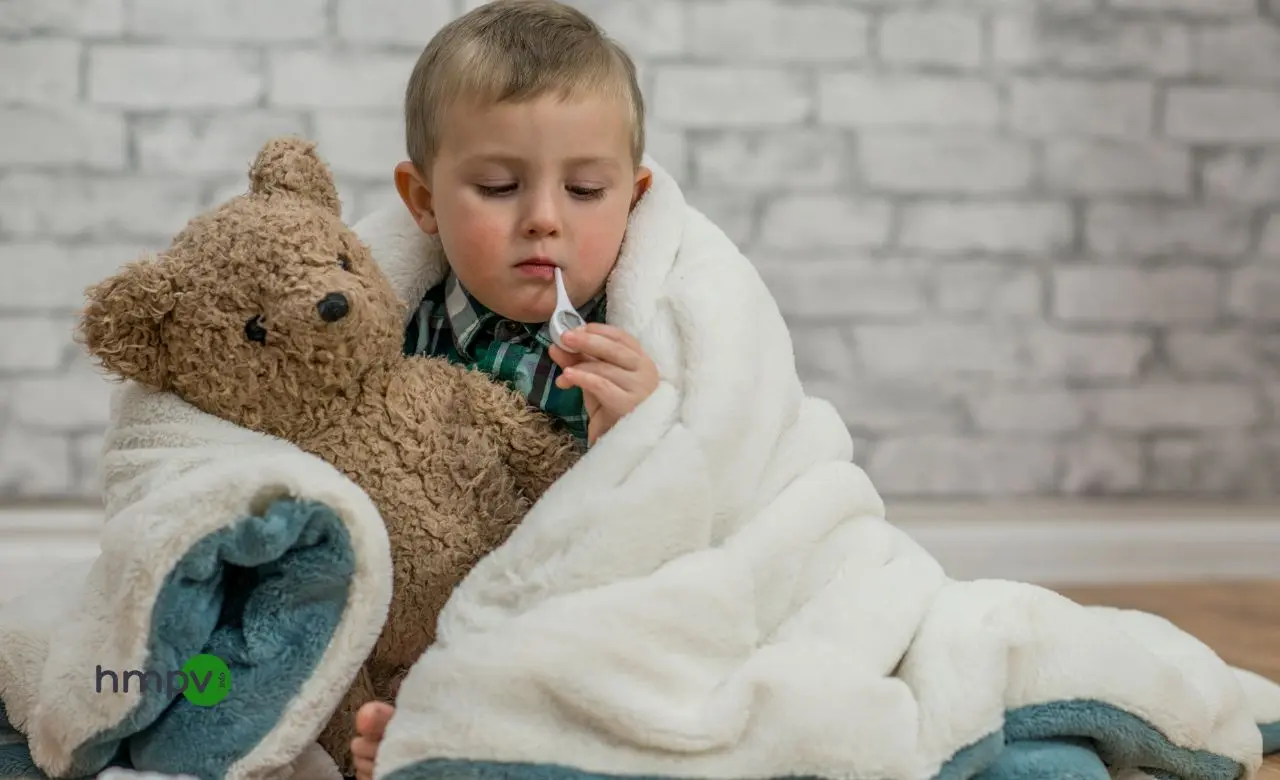
Flu in toddlers is a common viral illness that can cause sudden fever, cough, body aches, and tiredness, but most children recover with good home care and timely medical attention when needed. In India, giving the flu vaccine each year from 6 months of age—ideally before monsoon or winter—lowers the risk of severe illness and hospital visits for young children.
What is the flu
The flu is an infection of the nose, throat, and lungs caused by influenza viruses that spread easily in families, daycare, and schools. Kids under 5, especially under 2, have a higher chance of problems like pneumonia and dehydration from the flu.
Common symptoms
Flu often starts fast with high fever, chills, headache, body aches, and strong tiredness that feels worse than a cold in most toddlers. Many children also have cough, sore throat, runny or stuffy nose, and sometimes vomiting or diarrhea along with fever.
Flu vs. cold vs. HMPV/RSV
Colds tend to be milder and come on slowly, while flu hits fast with higher fever and aches in toddlers compared with a typical cold. HMPV and RSV can look like a bad cold or flu, but they more often cause wheeze or breathing trouble in young children, so a doctor’s exam helps tell them apart.
When to call the doctor
Seek care fast if there is trouble breathing, lips look bluish, the child is very sleepy, cannot keep fluids down, or fever stays high despite medicine in a toddler with flu. Kids with long-term problems like asthma, heart disease, or under 2 years old should be checked early if flu is suspected.
Home care basics
Give plenty of fluids like water, oral rehydration solution, warm soups, and keep offering small sips often to prevent dehydration during flu. Let your child rest, use saline nasal drops or a cool-mist humidifier, and ask a pediatrician about the right dose of paracetamol or ibuprofen for fever and aches in toddlers.
Medicines and testing
Antibiotics do not work for flu because it is caused by a virus, and they should not be used unless a doctor confirms a bacterial complication. Doctors may consider antivirals like oseltamivir in the first 48 hours for some children to shorten illness or reduce severity, especially in higher-risk kids.
How long it lasts
Most children start to feel better in 3–7 days, but cough and tiredness can last a bit longer in some toddlers after the fever settles. Keep the child home from daycare or school until fever-free for at least 24 hours without fever-reducing medicine to reduce spread.
Prevention and hygiene
Teach handwashing, cover coughs, clean shared toys and surfaces, and keep sick children at home to cut flu spread in families and classrooms. Caregivers should avoid close contact if they are ill and use tissues or masks when caring for a sick child if possible in tight indoor settings.
Vaccine timing in India
All children 6 months and older should get a flu vaccine every year, with two doses (at least 4 weeks apart) in the first season for kids 6 months to 8 years if they have not been vaccinated before. In India, plan vaccination before seasonal peaks—aim for April–May before monsoon and again ahead of winter—based on pediatric advice and local availability.
Special notes for parents
Book the vaccine with your pediatrician, confirm the dose schedule, and set a reminder for yearly shots to maintain protection for toddlers. Keep a simple “flu kit” at home with oral rehydration, a thermometer, saline nasal spray, and the weight-based fever dosing chart your doctor provides to manage early symptoms.
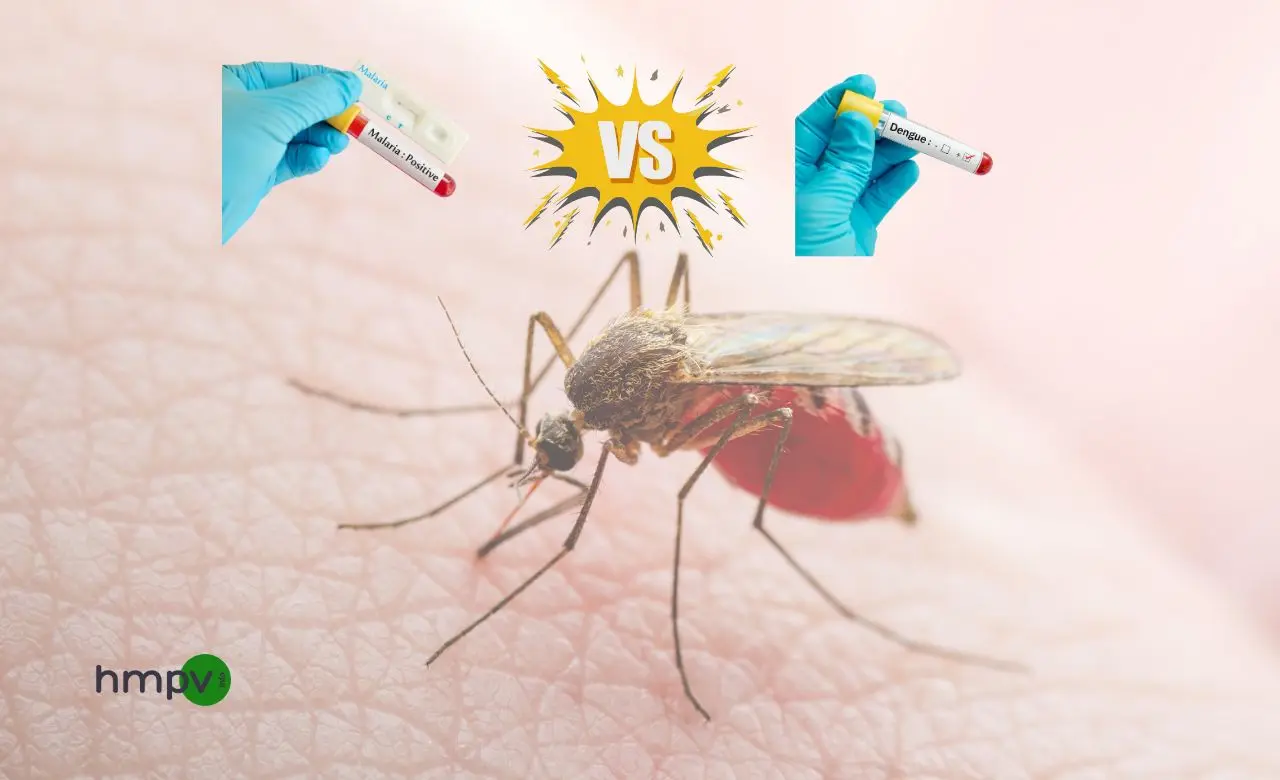
Read More – Malaria vs Dengue Symptoms: How to Know the Difference
Quick checklist
-
High fever, aches, and sudden onset suggest flu more than a cold in toddlers.
-
Red flags: breathing trouble, poor drinking, constant vomiting, or very sleepy child—seek care quickly.
-
Flu shot yearly from 6 months; two doses the first season if vaccine-naive between 6 months and 8 years in India.
-
Rest, fluids, saline, and correct fever dosing help most kids recover at home.
FAQs
How is toddler flu different from a cold? ->
Flu comes on fast with higher fever and body aches, while a cold is milder and slower with more runny nose in toddlers.
When should a toddler get the flu shot in India? ->
Every year from 6 months of age, ideally before monsoon or winter peaks, with two doses the first year if vaccine-naive up to 8 years.
Do toddlers need a flu test? ->
Doctors often diagnose clinically, but testing may be considered if it changes care or to distinguish from other viruses like RSV/HMPV in high-risk cases.
References: Pediatric health education on symptoms and care, and vaccine guidance adapted for India timing and first-season two-dose rules. Vaccine scheduling specifics and local timing recommendations for India practice and clinic calendars. HMPV/RSV overlap to help parents understand differences and why medical review is useful in breathing symptom











Leave a Reply