


Eczema and psoriasis—two skin conditions that cause redness, irritation, and itching. You might have heard these terms tossed around, and maybe you’re wondering: What’s the difference?
You’re not alone! Both can be painful and frustrating, but the truth is, eczema and psoriasis are very different conditions. In this post, we’ll break down the key differences between them and share tips on managing both. Understanding the differences could help you find the right solution for healthier, happier skin.
What Is Eczema?
Eczema, also known as atopic dermatitis, is a condition where your skin becomes inflamed, red, dry, and itchy. It’s common in children but can affect anyone at any age.
Key Features of Eczema:
- Itchy Skin: One of the main symptoms. Itching often gets worse at night, disrupting sleep.
- Dry, Cracked Skin: The skin may appear dry, flaky, and irritated.
- Redness and Inflammation: Skin turns red, and sometimes blisters may form.
- Common Triggers: Eczema flares up due to stress, allergens, extreme temperatures, or certain soaps.
Eczema often appears in the folds of the skin, like behind your knees or in your elbows. If not managed well, scratching eczema can lead to infection or scarring.
What Is Psoriasis?
Psoriasis is a chronic autoimmune condition that causes the skin cells to multiply too quickly. This leads to the buildup of thick, scaly patches on the skin’s surface.
Key Features of Psoriasis:
- Thick, Silvery Scales: Psoriasis typically causes patches of skin with thick, silvery scales, often on the scalp, elbows, knees, and lower back.
- Red and Inflamed Skin: These patches are often surrounded by red, inflamed skin.
- Dryness and Cracking: The affected skin may crack and bleed.
- Autoimmune Involvement: Unlike eczema, psoriasis is linked to a malfunction in the immune system, where it overreacts and speeds up skin cell turnover.
Psoriasis tends to be hereditary, meaning it often runs in families. While eczema is more related to environmental triggers and allergies, psoriasis has a deeper, immune system-related cause.
Key Differences Between Eczema and Psoriasis
- Cause: Eczema is often triggered by allergens, irritants, or environmental factors, whereas psoriasis is an autoimmune disease.
- Appearance: Eczema is marked by redness, dryness, and intense itching, whereas psoriasis shows thick, silvery scales with well-defined patches.
- Location: Eczema is common in the folds of the skin (elbows, behind knees), while psoriasis tends to show up on the scalp, elbows, and knees.
- Itching: Eczema is intensely itchy, whereas psoriasis may itch but is often more noticeable for its scaly patches.
Though both conditions affect the skin, their causes, appearance, and management are quite different.
How to Manage Eczema and Psoriasis
Managing Eczema
- Moisturize Regularly: Use thick moisturizers to keep your skin hydrated. Try creams that lock in moisture and protect your skin from irritants.
- Avoid Triggers: Identify what causes your flare-ups, whether it’s certain foods, stress, or allergens. Reducing exposure can help keep eczema in check.
- Use Gentle Skincare Products: Harsh soaps and fragrances can irritate your skin. Stick to hypoallergenic products designed for sensitive skin.
- Medication: Over-the-counter hydrocortisone creams or prescription steroids can reduce inflammation and control flare-ups.
Managing Psoriasis
- Topical Treatments: Corticosteroid creams or vitamin D analogs are often used to slow down skin cell production and reduce inflammation.
- Phototherapy: Ultraviolet (UV) light therapy can slow down the rapid skin turnover that causes psoriasis.
- Oral Medications: For more severe cases, doctors may prescribe oral medications or biologics that target the immune system to reduce inflammation.
- Moisturize: Psoriasis can leave your skin dry and cracked. Regularly moisturizing with ointments can help prevent cracks and bleeding.
When to See a Doctor
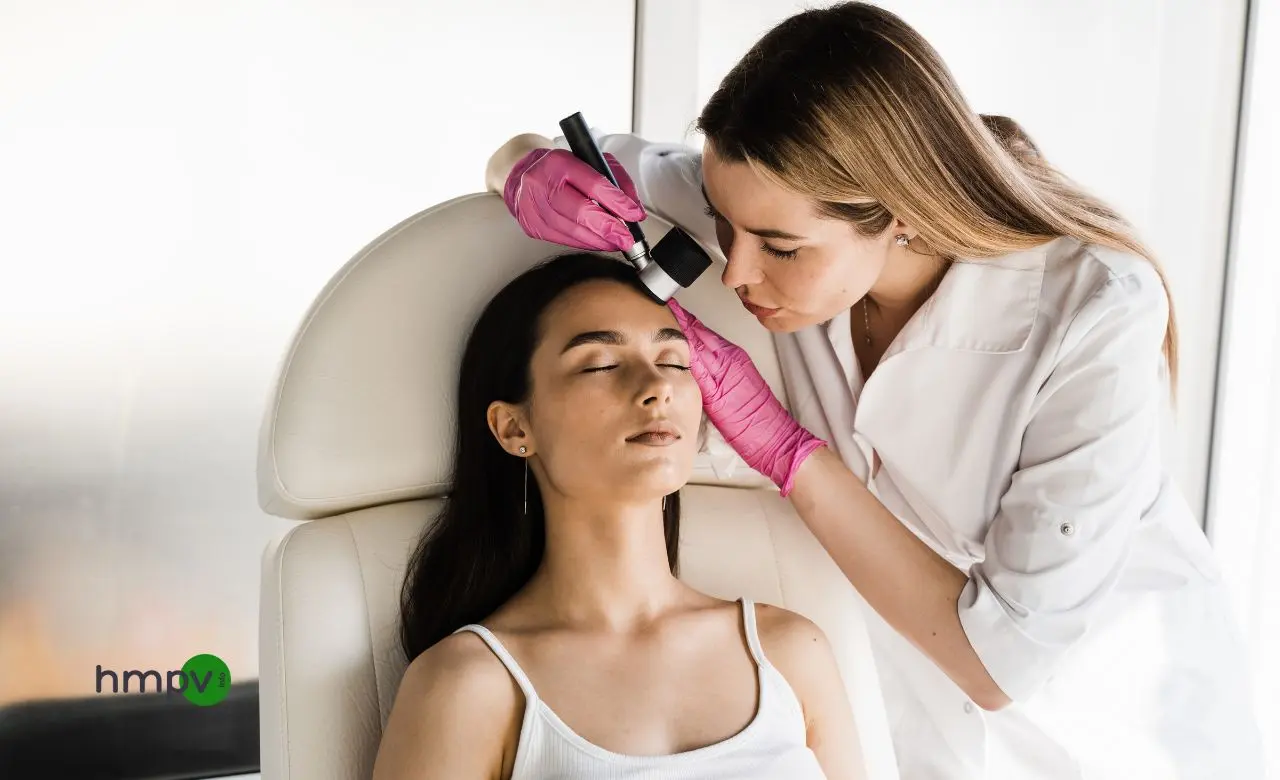
If you’re dealing with eczema or psoriasis, seeing a doctor is crucial. These conditions can worsen over time if left untreated, and a professional can help guide you toward the best treatment for your specific situation.
Don’t wait for your skin to get worse—consult a dermatologist to develop a plan that works for you.
Final Thoughts: It’s All About Understanding Your Skin
Eczema and psoriasis may share some similarities, but they’re fundamentally different. Understanding what’s going on with your skin is the first step toward finding relief.
Both conditions are manageable, and with the right treatments and lifestyle adjustments, you can keep them under control. Remember: Your skin deserves the best care, and by learning more about these conditions, you’re taking a big step toward better skin health.












Leave a Reply