

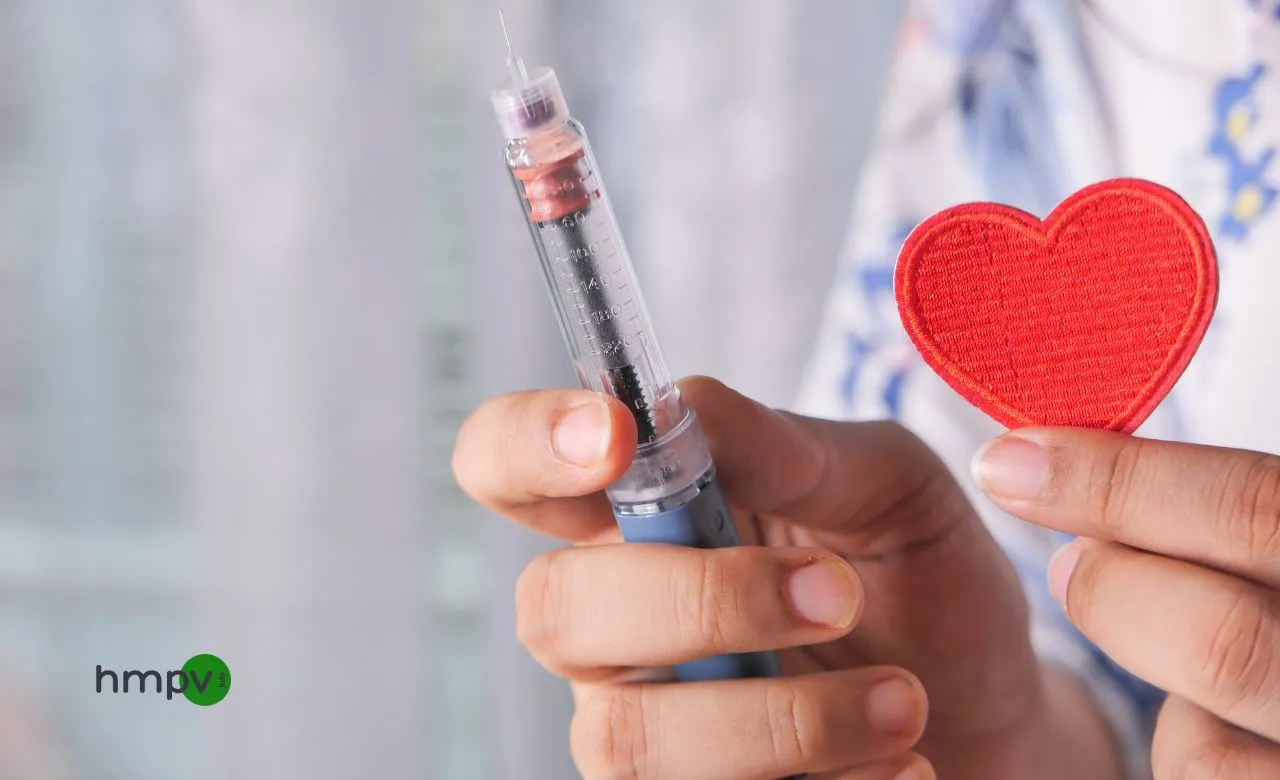
Did you know that having diabetes doesn’t just affect your blood sugar? It also puts your heart at risk. In fact, heart disease is the leading cause of death for people with diabetes. It’s a connection that many people overlook, but it’s one that could save lives if taken seriously. If you or a loved one have diabetes, understanding this link is essential for managing your health.
How Are Diabetes and Heart Disease Connected?
The connection between diabetes and heart disease starts with the way diabetes affects your blood vessels. When blood sugar levels are high over time, they damage blood vessels and nerves that control the heart. This damage makes it easier for plaque (a mix of fat, cholesterol, and other substances) to build up in the arteries.
This buildup, called atherosclerosis, can lead to narrowed or blocked arteries, restricting blood flow. If an artery that leads to your heart gets blocked, it can cause a heart attack. If it happens in the brain, it leads to a stroke.
For people with diabetes, the risk of heart disease is nearly twice as high as it is for those without it. That’s a staggering statistic, but it also means we have clear warning signs to pay attention to.
Why People With Diabetes Are More at Risk
There are several reasons why diabetes increases the risk of heart disease. Here’s a quick breakdown:
1. High Blood Sugar Levels
Consistently high blood sugar can damage the blood vessels that supply the heart and brain. Over time, this damage makes the heart work harder and increases the risk of heart attacks or strokes.
2. High Blood Pressure
People with diabetes are more likely to have high blood pressure, which forces the heart to pump harder. This adds extra strain on the heart and weakens it over time, leading to heart disease.
3. High Cholesterol Levels
Diabetes often comes with higher levels of LDL, or “bad cholesterol,” and lower levels of HDL, or “good cholesterol.” High LDL contributes to plaque buildup, while low HDL fails to remove the cholesterol from the arteries. This increases the risk of clogged arteries.
4. Obesity
Many people with type 2 diabetes also struggle with being overweight. Excess body fat, especially around the abdomen, increases inflammation, making it harder for the body to manage insulin and leading to a higher risk of heart problems.
What You Can Do: Protect Your Heart
While the link between diabetes and heart disease is serious, you are not powerless. The good news is that making lifestyle changes and managing diabetes carefully can significantly reduce your risk of heart disease. Here’s how:
1. Control Blood Sugar Levels
Managing your blood sugar is crucial. Work with your doctor to monitor and maintain your target levels. This may involve a combination of diet, exercise, and medication. Keeping blood sugar under control helps reduce damage to your blood vessels and protect your heart.
2. Focus on Heart-Healthy Foods
Eating a diet rich in fruits, vegetables, whole grains, and lean proteins can help reduce both your blood sugar and cholesterol levels. Foods high in fiber, such as oats and beans, can also help lower your cholesterol naturally.
3. Get Moving
Exercise is essential for both diabetes and heart disease management. Aim for at least 30 minutes of moderate activity most days of the week. Whether it’s walking, swimming, or biking, every bit of movement helps improve heart health and lower blood sugar.
4. Watch Your Weight
Losing even a small amount of weight—around 5-10% of your body weight—can have a big impact on both your heart health and blood sugar control. Every pound you lose helps ease the pressure on your heart and reduce the risk of complications.
5. Keep an Eye on Blood Pressure and Cholesterol
Regularly monitor your blood pressure and cholesterol levels. If they’re high, talk to your doctor about lifestyle changes or medications that can help. Managing these levels goes a long way toward protecting your heart.
Take Action Now: Your Heart Matters
If you have diabetes, your heart deserves extra care. Don’t wait for warning signs like chest pain or shortness of breath to take action. Start now by making small changes that can have a big impact on both your blood sugar and your heart health.
Every meal you eat, every step you take, and every blood sugar check you make helps protect you from the deadly connection between diabetes and heart disease. Take control today and give your heart the care it needs—you’re worth it.
Read more :
How to Control Blood Sugar Naturally Without Medication











Leave a Reply