

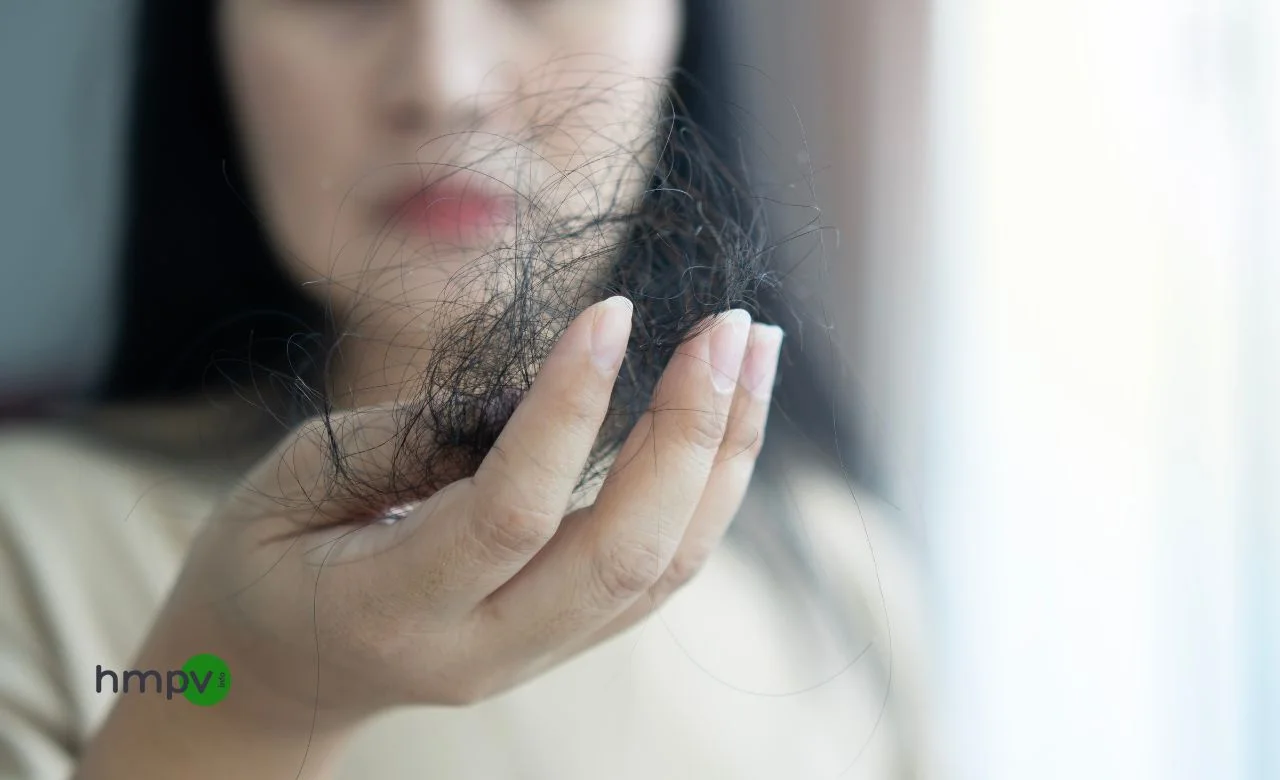
We’ve all heard it before: “Don’t stress out, it’ll make your hair fall out!” But is there any truth to this statement? Well, the answer is yes—stress can indeed cause hair loss. But let’s break it down and understand how and why it happens.
How Stress Affects Your Hair
Your body is like a well-tuned machine, and stress acts like a wrench thrown into the gears. When you’re stressed, your body releases a surge of stress hormones like cortisol. These hormones can interfere with normal body functions, including your hair’s growth cycle.
Hair goes through three main phases:
- Anagen (growth phase)
- Catagen (transition phase)
- Telogen (resting phase)
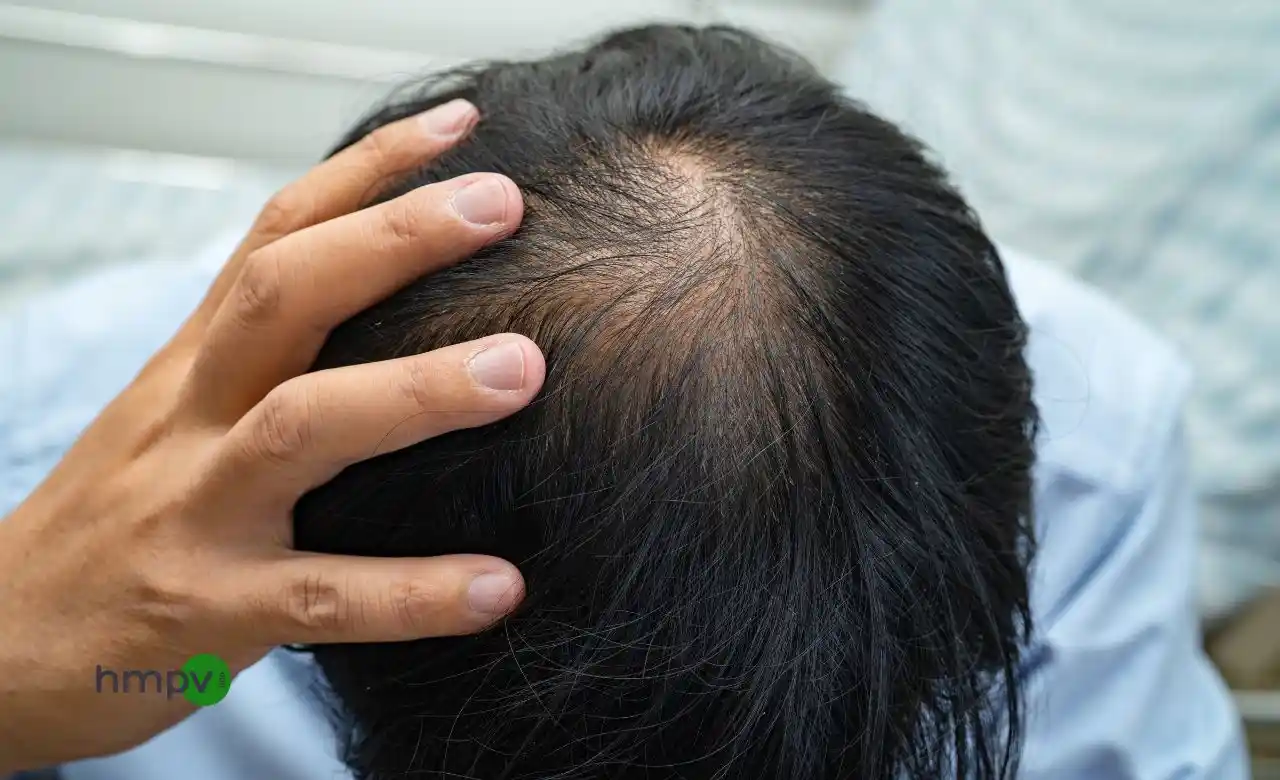
When you’re under intense or chronic stress, your body can push more of your hair follicles into the telogen phase. This leads to hair shedding and noticeable thinning. The process is called telogen effluvium.
It doesn’t happen overnight, though. Stress-related hair loss might take a few months to show up. But when it does, you might notice more hair in your brush or around your shower drain.
Types of Hair Loss Caused by Stress
- Telogen Effluvium – As mentioned, this is the most common form of stress-induced hair loss. It’s temporary and usually resolves once the stress is managed.
- Alopecia Areata – Stress is believed to trigger this autoimmune disorder, where the immune system attacks hair follicles, leading to bald patches.
- Trichotillomania – This is more psychological than physiological. It’s the urge to pull out your hair, often as a response to stress or anxiety.
Signs You Might Be Losing Hair Due to Stress
If you’ve been feeling overwhelmed lately and notice more hair than usual in your comb or on your pillow, here are some signs that stress might be the culprit:
- Increased Hair Shedding – If you find clumps of hair in your brush or in the shower, stress could be a factor.
- Bald Patches – Stress can cause areas where hair falls out in patches.
- Thinning Hair – Your hairline might start to recede, or your hair might appear overall thinner.
- Dullness or Dryness – Stress affects your skin and hair, leaving it looking lifeless.
Who Is Most at Risk for Stress-Induced Hair Loss?
While anyone can experience hair loss due to stress, certain factors make people more vulnerable:
- Chronic Stress – If you are always under stress—whether from work, personal life, or health issues—you’re at a higher risk.
- Health Conditions – Conditions like thyroid issues or hormonal imbalances can make your hair more sensitive to stress.
- Genetics – If hair loss runs in your family, stress might speed up the process.
- Severe Events – Major life changes like losing a loved one or going through a divorce can trigger hair loss.
How to Prevent Stress-Related Hair Loss
While you may not be able to completely avoid stress, there are things you can do to manage it and keep your hair healthy:
- Exercise Regularly – Exercise releases endorphins (the body’s natural stress relievers), helping you cope with anxiety.
- Get Enough Sleep – A well-rested body is better equipped to handle stress. Aim for 7-8 hours of sleep each night.
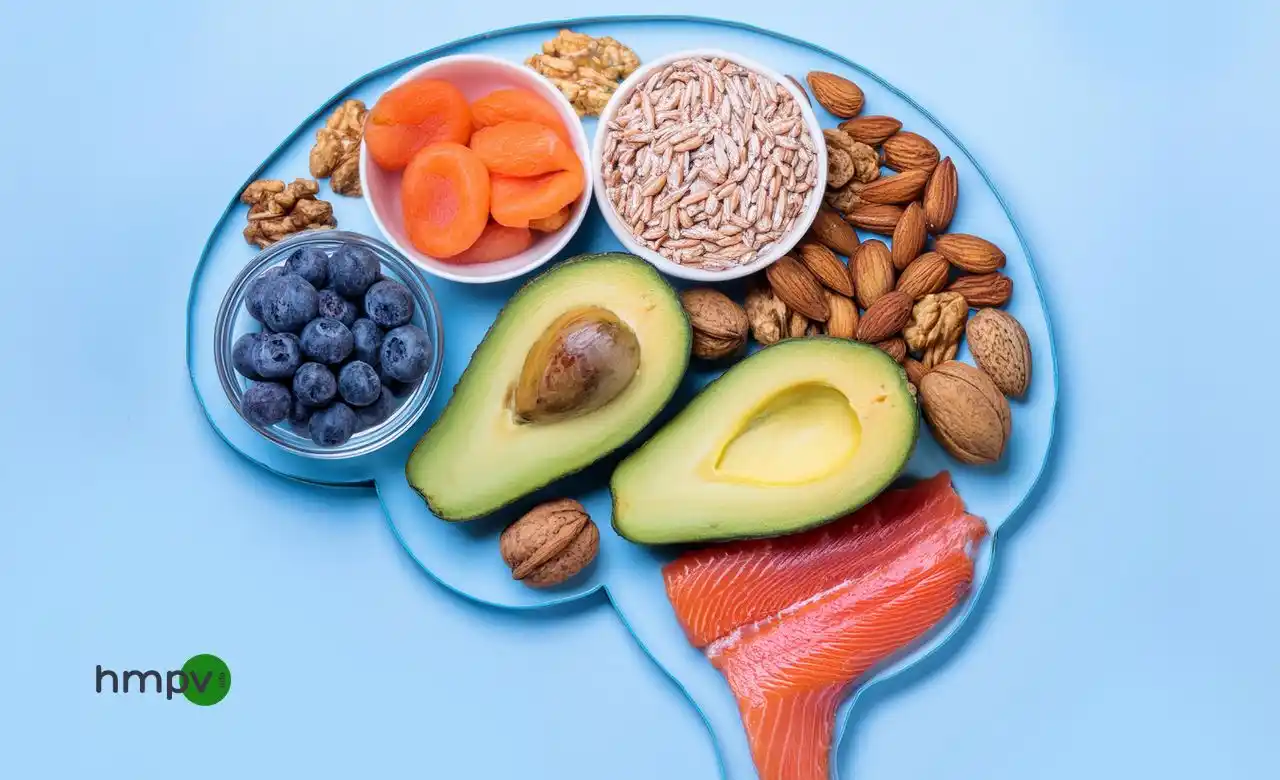
- Eat a Balanced Diet – A healthy diet full of vitamins and minerals supports hair growth and helps combat the effects of stress.
- Practice Relaxation Techniques – Meditation, yoga, or deep-breathing exercises can lower stress levels.
- Talk About It – Sometimes, just talking to a friend or professional can help you work through stress.
- Pamper Your Hair – Treat your hair with nourishing oils and gentle shampoos. Avoid excessive heat styling or chemical treatments.
When to Seek Help
If you notice excessive hair shedding or bald patches that aren’t improving with stress management techniques, it’s time to consult a healthcare provider or dermatologist. They can help rule out other causes like nutritional deficiencies, thyroid issues, or other medical conditions.
Final Thoughts
Stress is inevitable. But how you deal with it can make a huge difference, not just for your mental health, but for your hair too. If you’re stressed, it’s important to take steps to relax and manage that stress. Your hair—and your overall well-being—will thank you for it.
So, next time life gets hectic, remember: Taking a deep breath and prioritizing self-care might just be the best thing you can do for your hair.










Leave a Reply