

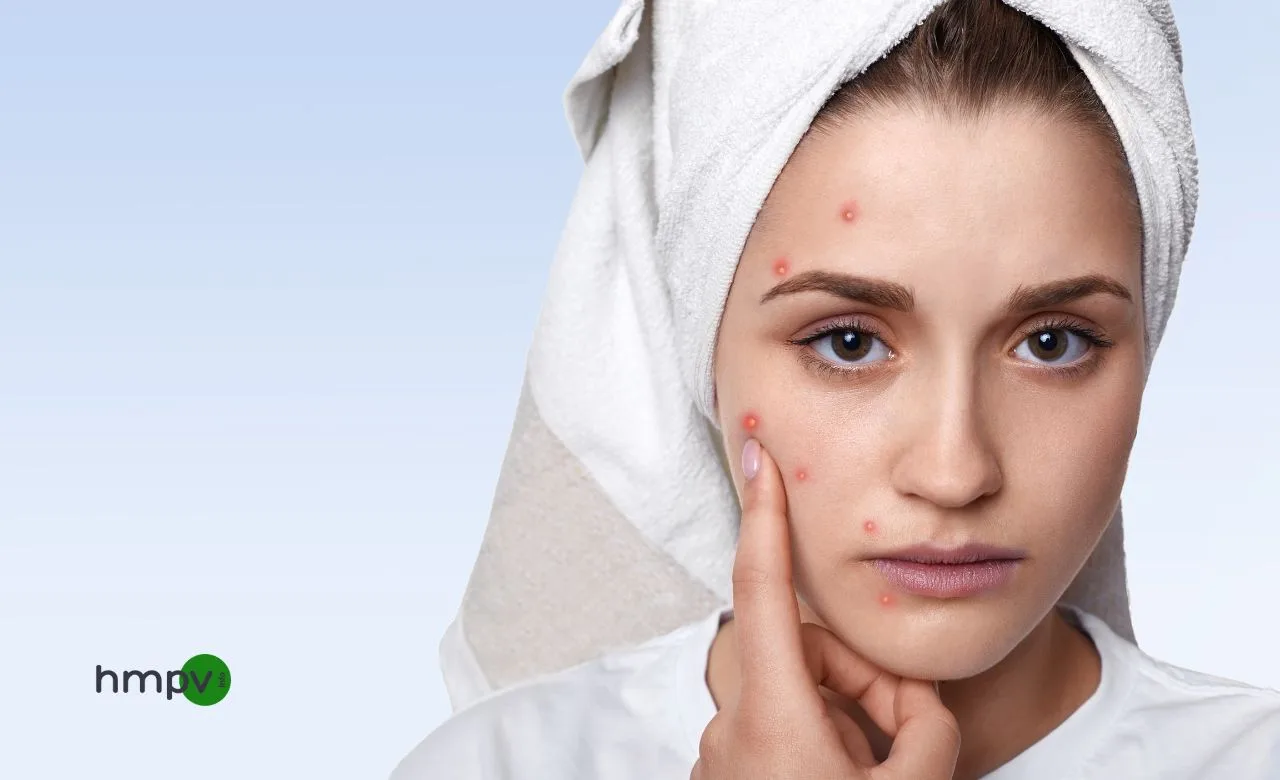
Acne is one of those frustrating skin issues that can affect anyone, regardless of age. Whether it’s a stubborn pimple that pops up before an important event or an ongoing battle with breakouts, acne can feel overwhelming. The good news is that acne is treatable, and by understanding its causes and prevention methods, you can take control of your skin and feel confident again.
What Causes Acne Breakouts?
Understanding acne’s causes helps you target the right treatment. Here are the main culprits:
1. Hormonal Changes
Hormonal fluctuations, particularly during puberty, menstruation, or pregnancy, can trigger acne. Androgens (male hormones) cause sebaceous glands to produce excess oil, clogging pores and leading to breakouts.
2. Excess Oil Production
When your skin produces too much oil, it mixes with dead skin cells and blocks your pores. This creates the perfect environment for bacteria to thrive, causing pimples and acne.
3. Clogged Pores
Dead skin cells that don’t shed properly can accumulate and clog pores. When mixed with oil and bacteria, this leads to acne.
4. Bacteria Growth
Acne-causing bacteria thrive in clogged pores, leading to inflammation and pimples. When bacteria multiply, they worsen the condition.
5. Stress
Stress increases cortisol levels, which in turn triggers oil production. This oil can clog pores, leading to breakouts.
6. Diet
Some foods, especially those high in sugar or dairy, can cause insulin spikes, which may increase oil production and trigger acne flare-ups.
How to Prevent Acne Breakouts
While acne can’t always be avoided, these habits can help keep it in check:
1. Cleanse Gently
Wash your face twice a day with a gentle cleanser to remove excess oil and dirt. Avoid scrubbing harshly, as it can irritate your skin and worsen acne.
2. Don’t Pick or Squeeze
Picking at acne can push bacteria deeper into the skin and cause scarring. It’s tempting, but leave your acne alone to avoid further damage.
3. Keep Hair Off Your Face
Hair can transfer oils and products to your face, leading to clogged pores. Keep it off your face, especially if you have oily hair.
4. Avoid Touching Your Face
Your hands carry oils and bacteria. Touching your face transfers these, which can lead to more breakouts.
5. Stay Hydrated and Eat a Healthy Diet
Drinking water helps flush out toxins and keeps your skin hydrated. A balanced diet rich in fruits, vegetables, and lean proteins can reduce acne-causing inflammation.
6. Use Non-Comedogenic Products
Choose skincare and makeup labeled “non-comedogenic,” meaning they won’t clog your pores.
Best Acne Treatments
When acne does break out, these treatments can help clear your skin:
1. Topical Treatments
- Benzoyl Peroxide: Kills bacteria and reduces inflammation. It’s effective for many types of acne.
- Salicylic Acid: This exfoliant helps unclog pores and reduce inflammation, perfect for blackheads and mild acne.
- Retinoids: Retinoids boost cell turnover, preventing clogged pores. They’re great for stubborn acne.
2. Prescription Medications
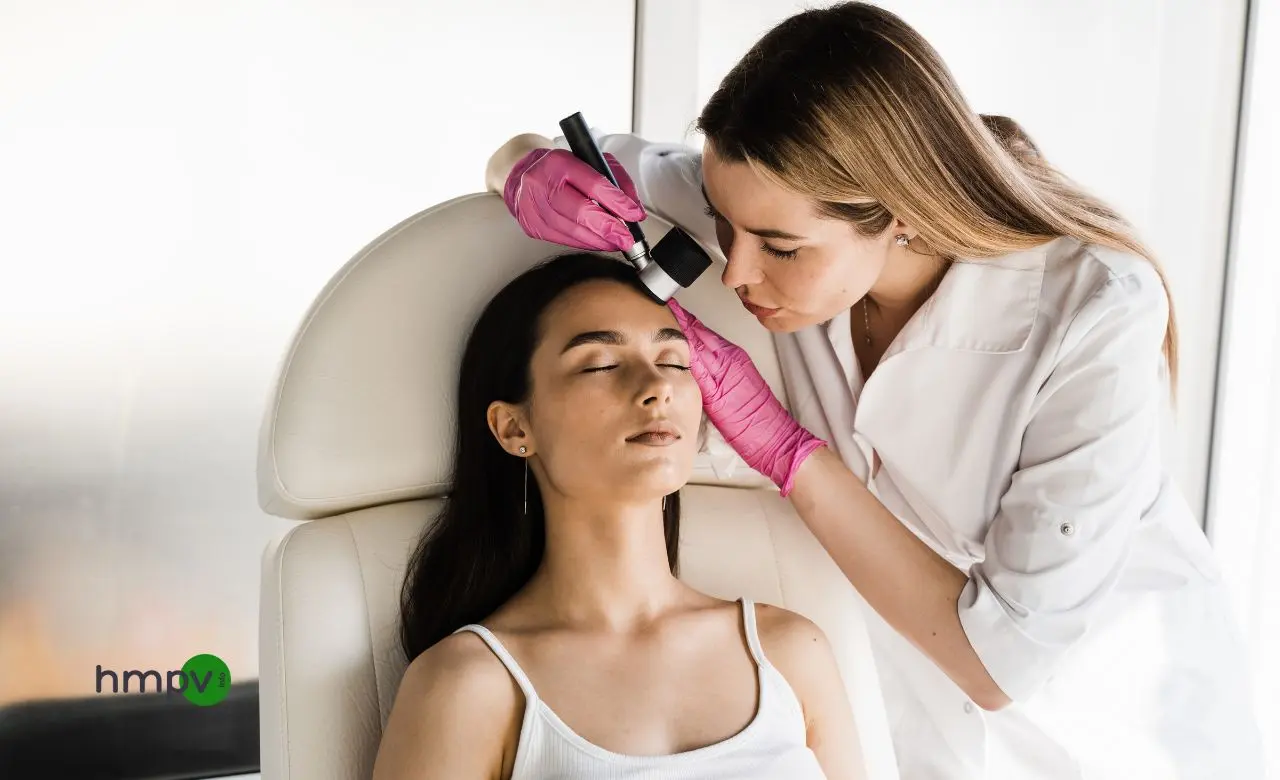
If over-the-counter treatments don’t work, your doctor may prescribe oral antibiotics or hormonal treatments, such as birth control pills, to regulate hormones linked to acne.
3. Light and Laser Therapy
Light therapies target acne-causing bacteria, while laser treatments reduce scars and improve skin texture.
4. Chemical Peels
Chemical peels remove dead skin cells, unclog pores, and promote clearer skin. This is a great option for acne scars and active breakouts.
5. Natural Remedies
Aloe vera, tea tree oil, and honey have antibacterial properties that can soothe skin and treat mild acne. Always patch-test these remedies first.
Final Thoughts: Take Charge of Your Skin
Acne can feel like a constant struggle, but it’s important to know you’re not alone. With the right prevention routine, treatment, and patience, you can manage acne effectively. Don’t let breakouts control your life—take charge and focus on what works for your skin.
Read More Articles
Eczema vs. Psoriasis: Key Differences and Treatment Options










Leave a Reply