

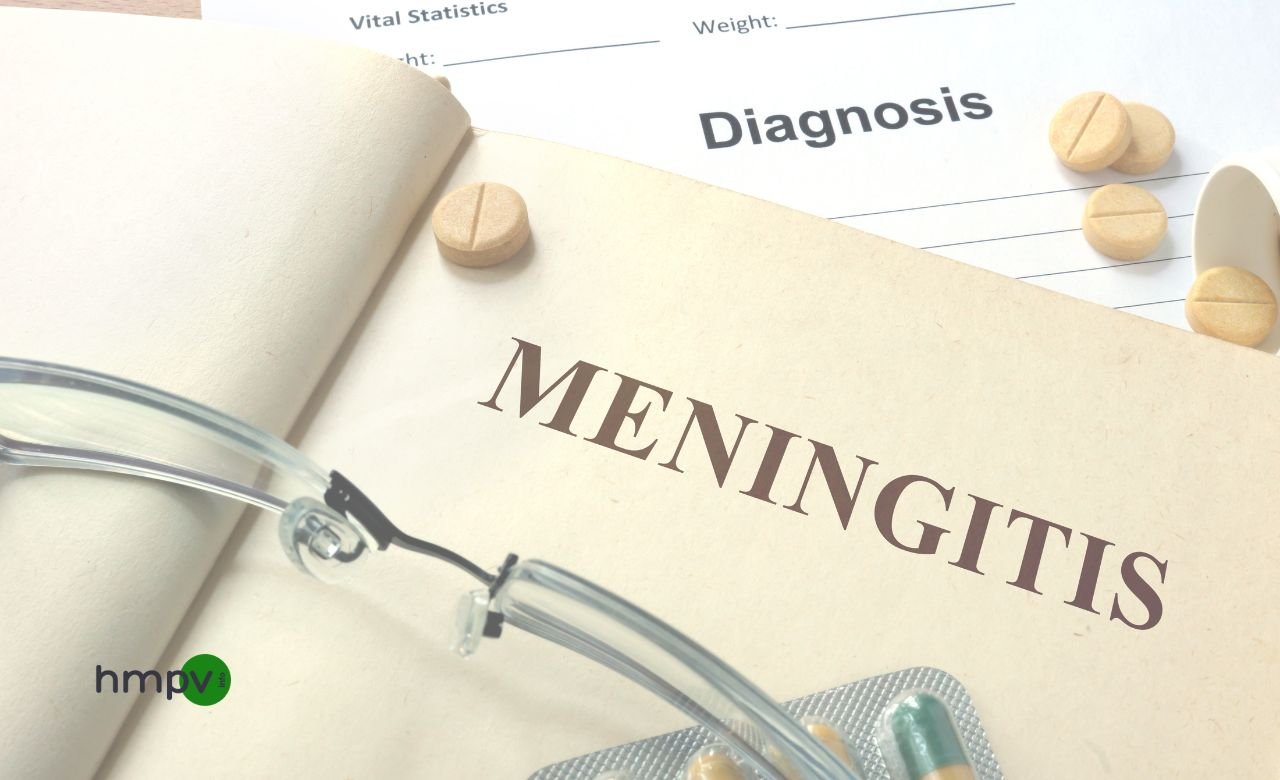
Meningitis is a serious disease that affects the brain and spinal cord. It happens when the protective layers (called meninges) around the brain and spinal cord get swollen or inflamed. This swelling can cause sudden sickness and, if not treated on time, it can become life-threatening.
Causes of Meningitis
Meningitis can be caused by different things. The most common causes are:
-
Bacterial Meningitis
-
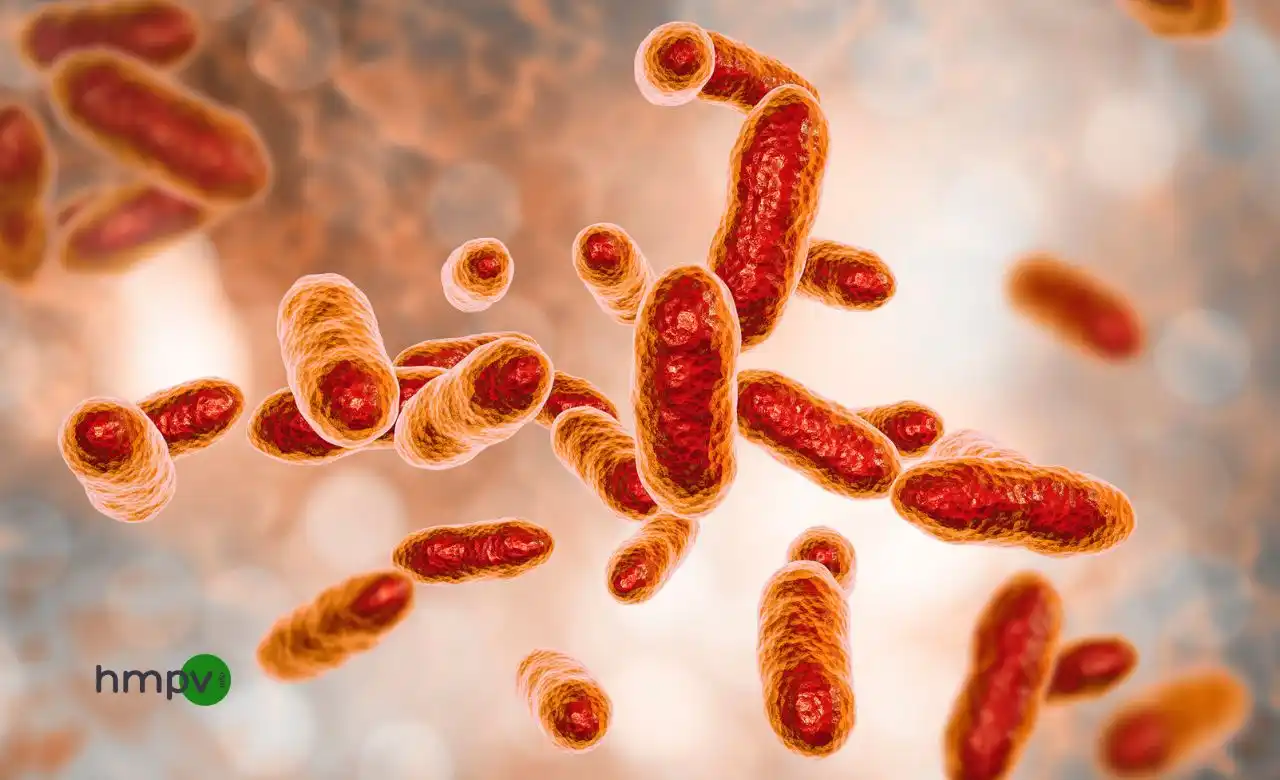
Caused by bacteria like Neisseria meningitidis (meningococcal meningitis) or Streptococcus pneumoniae.
-
This is very dangerous and needs quick medical treatment with antibiotics.
-
-
Viral Meningitis
-
Caused by viruses such as enteroviruses or herpes viruses.
-
It is usually less severe than bacterial meningitis and may get better on its own.
-
-
Fungal Meningitis
-
Caused by fungi, mostly in people with weak immune systems.
-
-
Other Causes
-
Certain medicines, cancer, or diseases that affect the immune system can also lead to meningitis.
-
Symptoms of Meningitis
The signs of meningitis may start quickly and can be different in adults and children.
Common symptoms include:
-
High fever
-
Headache
-
Stiff neck
-
Nausea or vomiting
-
Sensitivity to light (photophobia)
-
Confusion or difficulty concentrating
In babies and small children, symptoms may include:
-
Constant crying
-
Refusing to eat
-
Bulging soft spot on the head (fontanelle)
-
Seizures
If you or someone you know shows these meningitis symptoms, seek medical help immediately.
Types of Meningitis
Doctors usually classify meningitis based on what causes it. The main types of meningitis are:
-
Bacterial meningitis – very serious, needs urgent care.
-
Viral meningitis – usually mild, but still requires medical check-up.
-
Fungal meningitis – rare, happens mostly in people with weak immunity.
-
Parasitic meningitis – very rare, caused by parasites.
-
Non-infectious meningitis – caused by injuries, medicines, or other diseases.
Why Early Diagnosis Matters
Meningitis can spread fast. In severe cases, it may lead to brain damage, hearing loss, or even death. That’s why early diagnosis is very important. Doctors may do tests like a lumbar puncture (spinal tap) or blood test to confirm the disease.
Can Meningitis Be Prevented?
Yes. Some types of meningitis can be prevented with vaccines. For example:
-
Meningococcal vaccine helps protect against meningococcal meningitis.
-
Pneumococcal vaccine protects against pneumococcal meningitis.
-
BCG vaccine can prevent tuberculous meningitis in children.
Other preventive steps include washing hands, covering coughs/sneezes, and avoiding close contact with sick people.
Final Thoughts
Meningitis is a disease that should never be ignored. Knowing the causes, symptoms, and types of meningitis can help you act quickly. If you notice any signs in yourself or a loved one, visit a doctor right away.
Staying informed and taking vaccines can protect you and your family from this dangerous illness.











Leave a Reply