

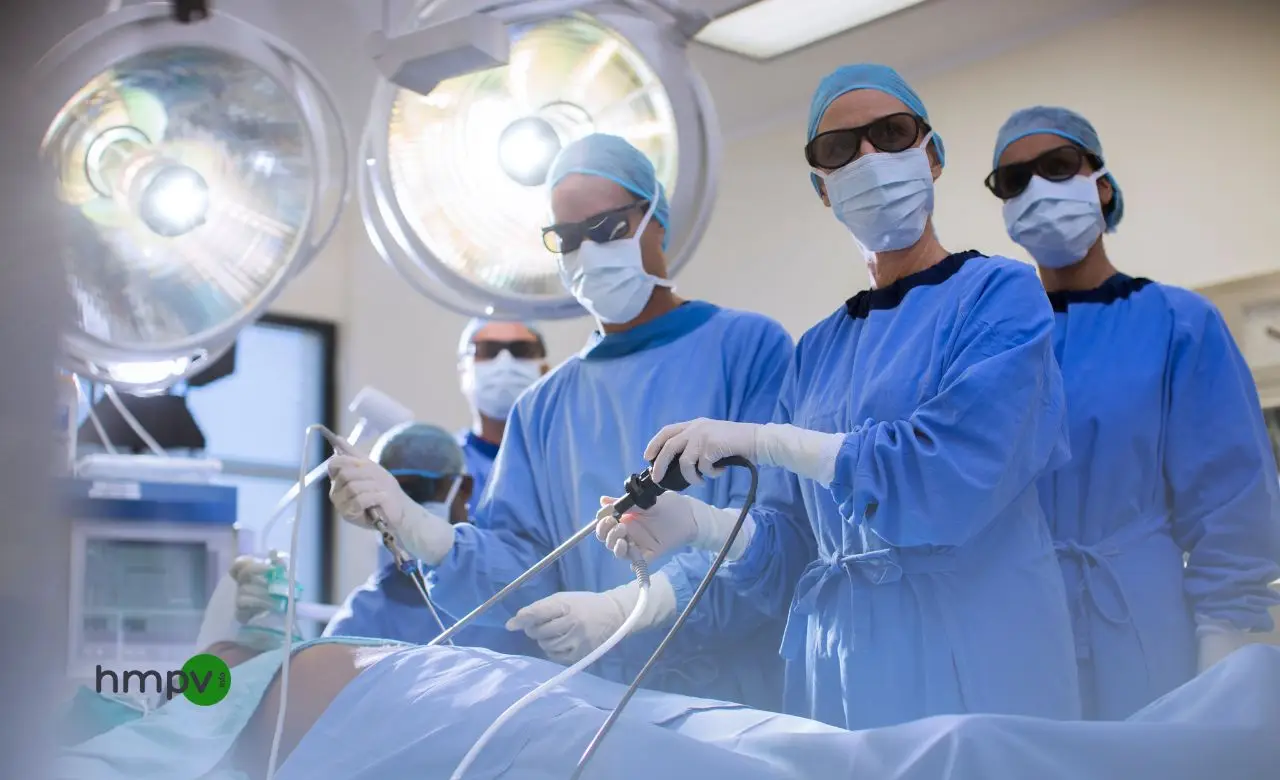
If you’ve ever struggled with glasses or contact lenses, you might have considered LASIK eye surgery. The idea of waking up every morning with clear vision is undeniably appealing. But is LASIK really worth it? Like any medical procedure, it has its pros, cons, and risks, and understanding these will help you decide if it’s the right choice for you.
What Is LASIK?
LASIK (Laser-Assisted In Situ Keratomileusis) is a popular surgery designed to correct nearsightedness, farsightedness, and astigmatism. By reshaping the cornea, LASIK can dramatically reduce the need for glasses or contacts, allowing many people to see clearly without them. It’s a quick procedure—often under 30 minutes—and the recovery time is fast, too.
But before you rush to schedule your appointment, let’s dive deeper into the pros, cons, and risks associated with LASIK.
Pros of LASIK
1. Improved Vision
The biggest benefit is obvious: better vision without the need for corrective lenses. Most people achieve 20/20 vision or even better after LASIK. Imagine no longer fumbling for your glasses in the morning or dealing with contact lens irritations!
2. Quick Procedure, Quick Recovery
LASIK is fast and minimally invasive. The actual surgery takes just minutes per eye, and most people are back to their normal activities within a day or two. Full recovery often takes less than a week, with minimal discomfort.
3. Long-Term Savings
While LASIK has an upfront cost, it may save you money in the long run. Think about how much you spend on glasses, contact lenses, cleaning solutions, and eye exams over the years. LASIK can be a cost-effective solution if you no longer need those items.
4. Freedom and Convenience
One of the most liberating benefits of LASIK is the freedom from lenses. Whether it’s playing sports, traveling, or just not having to deal with fogged-up glasses, the convenience of having natural clear vision cannot be overstated.
Cons of LASIK
1. Cost
LASIK can be expensive, ranging from $2,000 to $4,000 per eye, depending on your location and surgeon. Insurance often doesn’t cover it since it’s considered an elective procedure. While it may save you money over time, the initial cost can be a barrier for many.
2. Not for Everyone
LASIK isn’t suitable for everyone. If you have thin corneas, certain eye conditions, or unstable vision, you may not qualify for the procedure. A thorough evaluation by an eye surgeon is necessary to determine if you’re a good candidate.
3. Temporary Discomfort
While the recovery is generally fast, you might experience dry eyes, glare, halos, or fluctuating vision during the healing process. These side effects typically subside within a few weeks, but for some people, they can last longer.
Risks of LASIK
1. Overcorrection or Undercorrection
LASIK is highly effective, but no procedure is perfect. Some people may experience overcorrection or undercorrection, meaning their vision still isn’t quite right, and they might need to wear glasses or consider a second surgery.
2. Dry Eyes
Many people experience chronic dry eyes after LASIK, which can be uncomfortable. Most dry eye symptoms improve over time, but for some, they may persist and require ongoing treatment, such as eye drops or medication.
3. Vision Issues at Night
Some people report seeing glare, halos, or starbursts around lights, especially at night. While this usually improves with time, for a small percentage of people, it can be a lasting issue.
4. Rare Complications
Serious complications like infection or vision loss are rare but possible. Choosing an experienced, qualified surgeon significantly reduces these risks, but it’s important to be aware that no surgery is risk-free.
Is LASIK Worth It?
So, is LASIK worth it? That depends on your goals and eye health. For many, LASIK offers life-changing results—clear vision without the daily hassle of glasses or contacts. If you’re a good candidate, it can be a safe and effective way to improve your eyesight.
However, it’s essential to weigh the cost, risks, and potential side effects. Make sure to consult with an experienced eye surgeon who can help you understand whether LASIK is the right choice for your specific situation.















Leave a Reply