

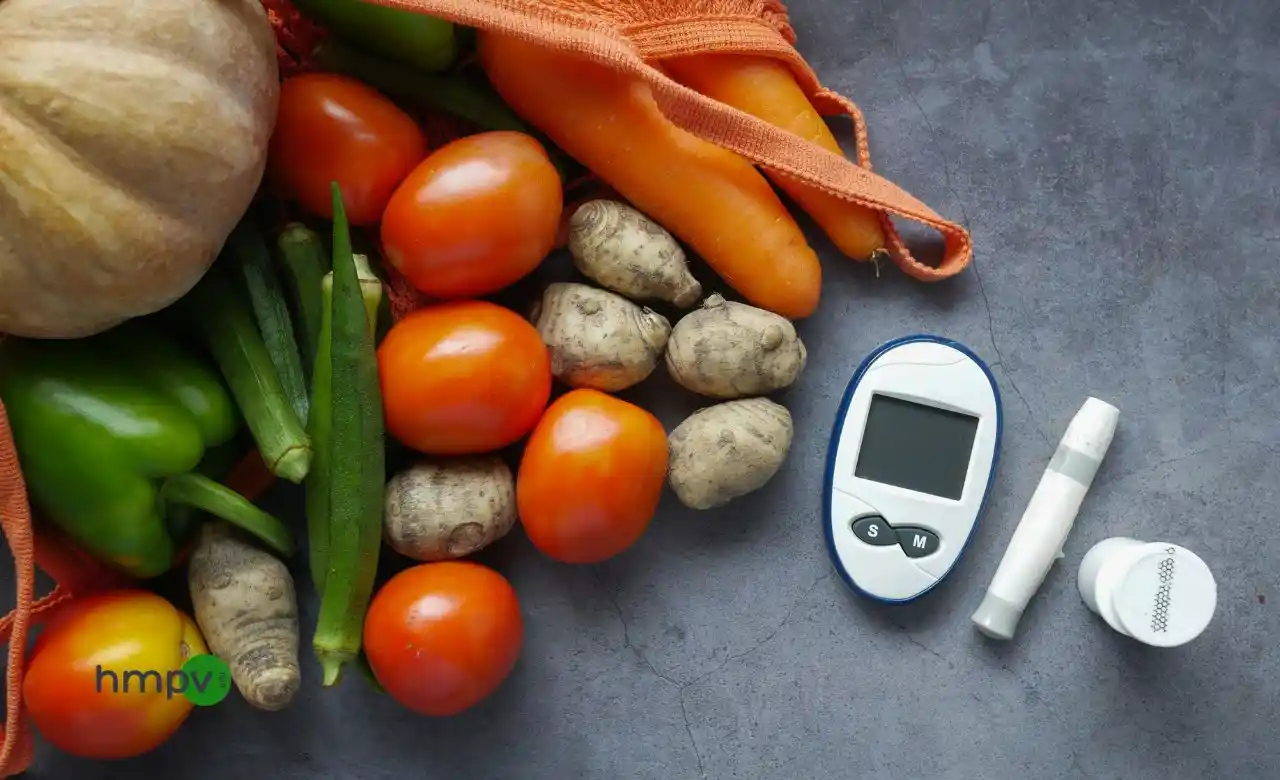
Managing diabetes isn’t just about cutting out sugar; it’s about choosing the right foods to fuel your body, keep your blood sugar steady, and still enjoy what you eat. When you pick the right foods, you can help stabilize your blood sugar, feel more energized, and even lower your risk of complications. Ready to dive in? Let’s explore the best foods for diabetes and what you should avoid.
Best Foods for Diabetes: What to Eat
1. Leafy Greens – The Nutrient Powerhouse
Kale, spinach, Swiss chard—leafy greens are packed with nutrients like vitamins A, C, and K. They’re also very low in carbs, so they won’t spike your blood sugar. Plus, they’re loaded with fiber, which helps slow down sugar absorption.
Easy Tip: Add leafy greens to your salads, stir-fries, or smoothies for a simple way to boost your nutrition.
2. Whole Grains – Steady Energy for the Day
Unlike refined grains, whole grains contain fiber and take longer to digest. This means they cause a slower rise in blood sugar. Great options include brown rice, oats, quinoa, and whole wheat.
Try This: Swap out white bread or pasta for whole grain versions. They’ll keep you fuller longer and help avoid those energy crashes.
3. Fatty Fish – Omega-3s for Heart Health
Fatty fish like salmon, mackerel, and sardines are packed with omega-3 fatty acids, which are great for your heart. This is important because people with diabetes are at a higher risk of heart disease. Plus, fish is low in carbs, so it won’t mess with your blood sugar.
Quick Idea: Aim to include fatty fish in your diet 2-3 times a week for both heart and blood sugar benefits.
4. Nuts and Seeds – The Perfect Snack
Almonds, walnuts, chia seeds, and flaxseeds are all excellent for diabetes management. They’re rich in healthy fats, fiber, and protein, which help balance blood sugar levels. A small handful can keep you satisfied without raising your sugar levels.
Snack Smart: Grab a handful of nuts when you need a quick, healthy snack, or sprinkle seeds onto your yogurt or salad.
5. Beans and Legumes – Fiber and Protein Packed
Beans, lentils, and chickpeas are filled with fiber and protein, making them a great choice for controlling blood sugar. These foods slow down digestion and help prevent sugar spikes.
Pro Tip: Add beans to your soups, salads, or stews. They’re affordable, filling, and packed with nutrition.
Foods to Avoid: What to Watch Out For
1. Sugary Drinks – Blood Sugar’s Worst Enemy
Soda, sweetened juices, and energy drinks can cause massive blood sugar spikes. They’re filled with empty calories and offer no nutritional value.
Quick Fix: Replace sugary drinks with water, unsweetened tea, or sparkling water with a squeeze of lemon.
2. White Bread and Pastries – Refined Carbs to Avoid
Refined carbs, like white bread, pastries, and most processed baked goods, digest quickly and cause blood sugar spikes. They lack fiber, which is key to keeping your blood sugar steady.
Better Swap: Choose whole grain bread or baked goods made with almond or coconut flour for a healthier option.
3. Fried Foods – Bad for Blood Sugar and Heart Health
Fried foods, especially deep-fried options like French fries and fried chicken, are high in unhealthy fats. They not only affect your blood sugar but also increase your risk of heart disease.
Choose This Instead: Opt for grilled, baked, or steamed versions of your favorite foods for a healthier way to enjoy your meals.
4. Processed Meats – Full of Unhealthy Fats
Bacon, sausages, and other processed meats are often high in saturated fats, which can raise cholesterol levels and increase the risk of heart problems—a big concern for those with diabetes.
Healthy Switch: Go for lean proteins like chicken, turkey, tofu, or plant-based proteins to keep both your heart and blood sugar in check.
Final Thoughts: Take Charge of Your Plate
Managing diabetes doesn’t mean you have to give up flavor or enjoyment. It’s all about making better choices that help keep your blood sugar balanced and your body feeling great. Fill your plate with whole, nutrient-dense foods like leafy greens, whole grains, fatty fish, and nuts, while avoiding sugary drinks, fried foods, and refined carbs.
You’ve got the power to take control of your health—one bite at a time. Start with these small changes, and your body will thank you.















Leave a Reply