

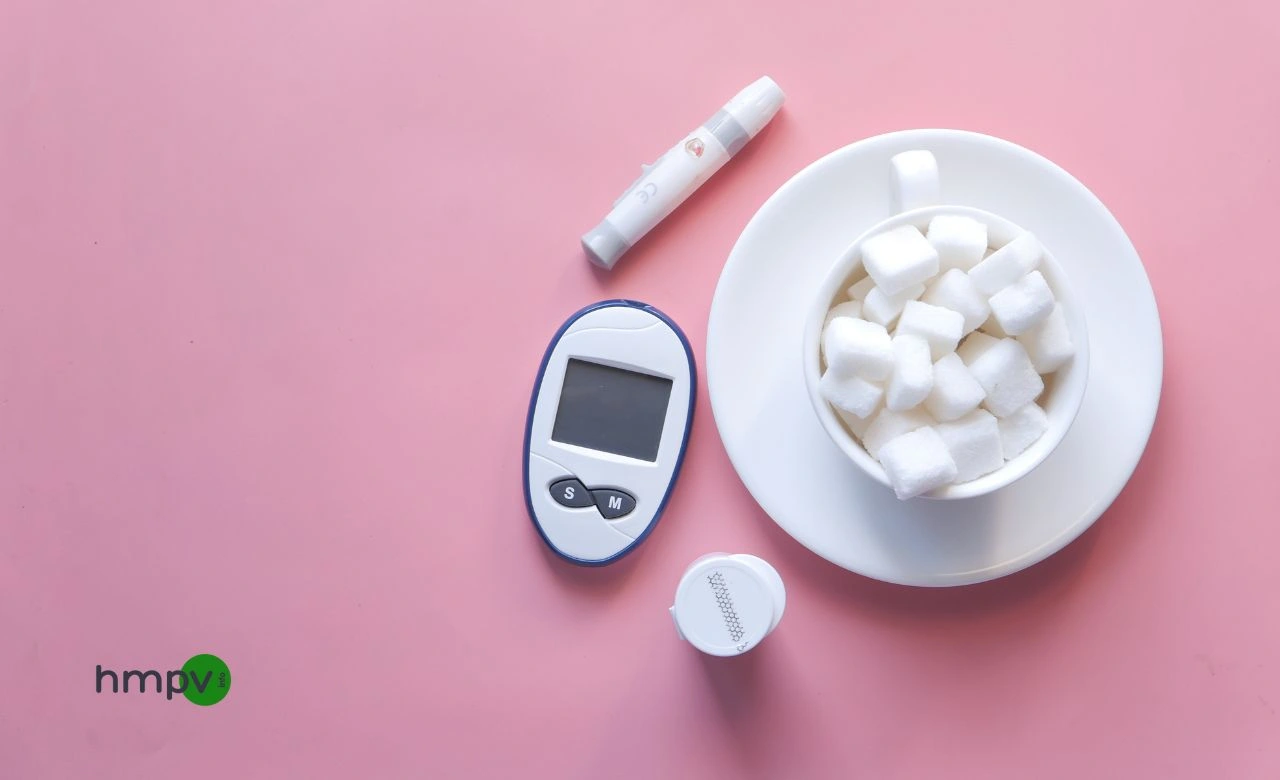
If you’re struggling with high blood sugar, the idea of relying on medication can feel overwhelming. But here’s some good news: You don’t have to. You can take control of your blood sugar naturally—without pills or insulin. And it’s simpler than you think.
Managing blood sugar isn’t about deprivation. It’s about making smarter choices, building healthy habits, and listening to your body. Let’s explore practical, powerful ways you can keep your blood sugar in check.
1. Eat the Right Carbs
Carbs aren’t the enemy—but processed carbs can be. Think sugary cereals, white bread, and pastries. These spike your blood sugar fast. Instead, choose whole, fiber-rich carbs like oats, quinoa, sweet potatoes, and brown rice. Fiber slows down the absorption of sugar, helping to keep your levels steady.
Simple Swap: Trade white rice for brown rice or quinoa in your meals. Your body will thank you.
2. Stay Active Every Day
Physical activity doesn’t have to mean intense gym workouts. Even something as simple as a 30-minute walk after dinner can do wonders for your blood sugar. Exercise helps your muscles use sugar more efficiently, which naturally lowers blood glucose levels.
Tip: Start small. Walk around the block or do some light stretching at home. The key is consistency—not perfection.
3. Drink Plenty of Water
Staying hydrated is one of the easiest ways to control blood sugar. Water helps your kidneys flush out excess sugar through urine. It also keeps you feeling fuller, so you’re less likely to overeat or snack on sugary treats.
Quick Reminder: Skip sugary drinks like soda and energy drinks. They send your blood sugar on a rollercoaster. Stick to water, herbal teas, or lemon-infused water for a refreshing twist.
4. Watch Your Portions
Even healthy foods can cause spikes if you eat too much at once. Controlling portion sizes can keep your blood sugar balanced throughout the day. Try using smaller plates, eating slowly, and paying attention to your body’s hunger cues.
Pro Tip: Divide your plate into three sections—fill half with non-starchy veggies, a quarter with lean protein, and the last quarter with whole grains or healthy carbs.
5. Include More Protein and Healthy Fats
When you eat protein and healthy fats alongside carbs, they slow down the release of sugar into your bloodstream. This means fewer spikes and crashes. Foods like eggs, avocados, nuts, and fish are excellent choices for balancing your meals.
Actionable Tip: Add a handful of nuts to your snack or drizzle some olive oil on your salad. Small additions can make a big difference.
6. Manage Stress
Stress is a sneaky contributor to high blood sugar. When you’re stressed, your body releases hormones like cortisol, which can raise your blood sugar levels. Practicing relaxation techniques such as deep breathing, meditation, or yoga can help lower stress and, in turn, stabilize your blood sugar.
Takeaway: Set aside just 5 minutes each day for deep breathing or mindfulness. It’s a simple way to calm your mind and keep your body balanced.
7. Get Enough Sleep
Lack of sleep messes with your hormones—especially the ones that control your blood sugar. Studies show that poor sleep can lead to insulin resistance, making it harder for your body to manage sugar. Aim for 7–9 hours of quality sleep each night to keep your blood sugar levels in check.
Quick Fix: Create a bedtime routine. Turn off screens an hour before bed, dim the lights, and make your sleep space cozy and cool.
8. Spice Up Your Life with Cinnamon
This sweet spice does more than just flavor your oatmeal. Research shows that cinnamon can improve insulin sensitivity and help lower blood sugar levels. Adding just a teaspoon to your meals or drinks could give you that extra boost you need.
Easy Addition: Sprinkle cinnamon on your morning coffee, smoothie, or yogurt for a tasty and health-boosting twist.
Final Thoughts: Take Charge of Your Health
Controlling blood sugar naturally isn’t about making extreme changes. It’s about adopting a few healthy habits and staying consistent. By eating well, staying active, managing stress, and paying attention to your body, you can take control of your health—one step at a time.














Leave a Reply