

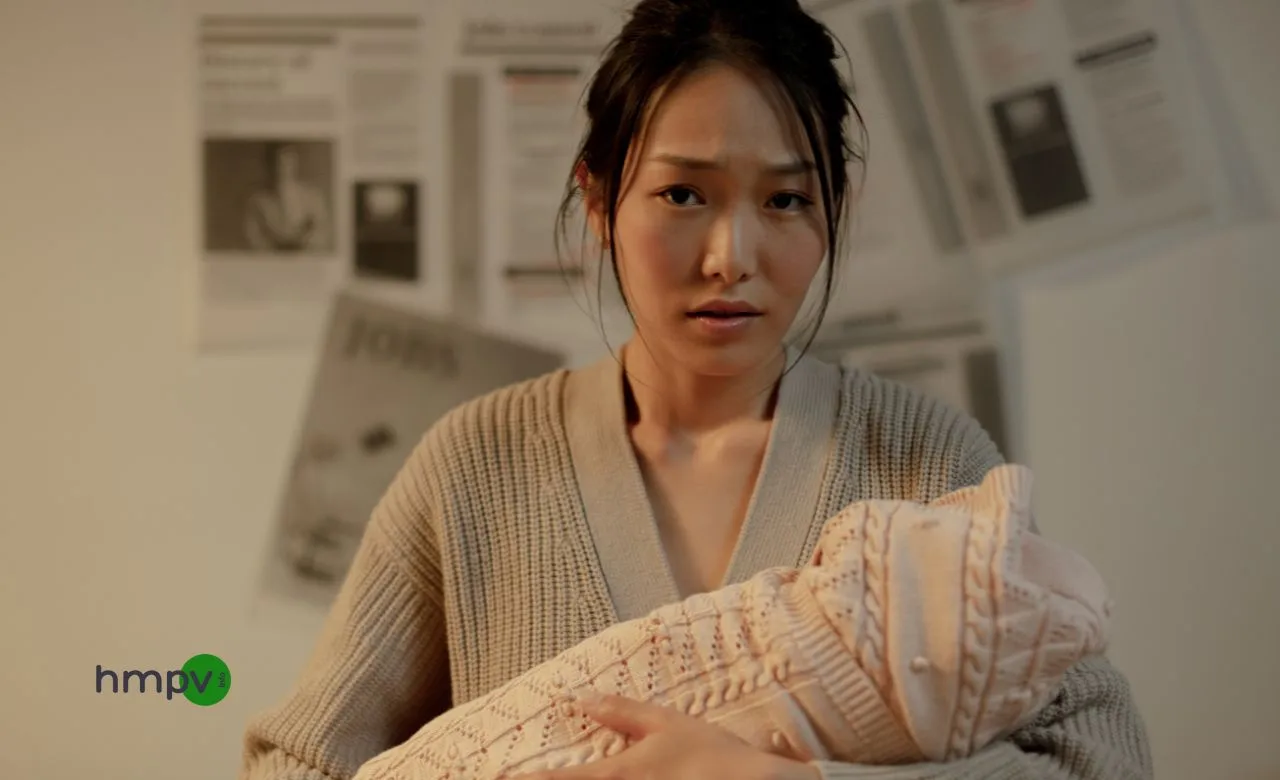
Bringing a baby into the world is beautiful, powerful, and life-changing. But let’s be honest—your body goes through a lot!
Whether you had a vaginal birth or a C-section, postpartum recovery isn’t just about bouncing back—it’s about healing, resting, and rebuilding your strength.
You just created life. Now, it’s time to take care of YOU.
1. Rest, But Also Move
You’re exhausted, but your body needs gentle movement to heal.
- Rest as much as possible in the first few weeks. Your body is working hard to repair itself.
- Take slow, short walks around your home or outside—it helps with circulation and speeds healing.
- If you had a C-section, follow your doctor’s guidance, but moving gently prevents blood clots and stiffness.
Listen to your body—push yourself only when you’re ready.
2. Manage Pain & Discomfort
Your body just went through a marathon, and it’s normal to feel pain or soreness.
For Vaginal Birth: Soreness, swelling, and stitches (if any) can make sitting uncomfortable. Try:
- Ice packs to reduce swelling
- A warm sitz bath for soothing relief
- Witch hazel pads for healing
For C-Section: You’ll have incision pain—so be gentle with movements and take prescribed pain relief as needed.
3. Heal Your Pelvic Floor
Pregnancy and childbirth weaken pelvic muscles, causing bladder leaks or discomfort.
- Kegel exercises help restore strength
- Don’t lift anything heavy too soon—it can strain healing muscles
- If pain persists, see a pelvic floor therapist
Your body is amazing—it just needs time to regain its strength.
4. Deal with Postpartum Bleeding
After childbirth, your body sheds tissue and blood (called lochia). It’s like a long, heavy period that lasts 4-6 weeks.
- Wear large, absorbent pads (no tampons—your body needs to heal!).
- If you pass large clots or bleed heavily after a few weeks, call your doctor.
It’s messy, but completely normal.
5. Stay Ahead of Baby Blues & Postpartum Depression
Hormones crash after birth, leading to mood swings, anxiety, and even tears for no reason.
- Baby blues (crying, mood shifts) are normal and usually fade in two weeks.
- If sadness, exhaustion, or anxiety feels unbearable or lasts longer, talk to someone—you might have postpartum depression (PPD), and help is available.
Taking care of your mental health is just as important as your physical recovery. You are not alone!
6. Nourish Your Body – Food is Medicine
Your body needs fuel to recover, especially if you’re breastfeeding.
- Eat nutrient-dense foods:
- Protein (eggs, lean meat, tofu) for tissue repair
- Healthy fats (avocados, nuts) for energy
- Leafy greens (spinach, kale) for iron & vitamins
Drink LOTS of water—especially if you’re nursing.
Food isn’t just about weight—it’s about giving your body the tools to heal.
7. Accept Help – You Deserve It
You’re not supposed to do this alone. Accept all the help you can get!
- Let family and friends cook, clean, or hold the baby while you rest.
- If possible, outsource chores—order groceries online, get meal delivery, or hire a cleaner.
Your priority is healing and bonding with your baby. Everything else can wait.
8. Give Yourself Grace – Recovery Takes Time
Your body will not “snap back” overnight—and that’s OK.
Healing is a journey, not a race. Some moms feel stronger in weeks, others take months. Both are normal.
Be kind to yourself. Celebrate small wins, whether it’s a short walk, a peaceful shower, or simply surviving the day.
You created life. You are incredible. And you will feel like yourself again—one day at a time. 💕
Final Thoughts: You’ve Got This!
Postpartum recovery isn’t easy, but you are stronger than you know.
Prioritize rest, listen to your body, and reach out if you need support. Healing takes time, but every day, you’re getting closer to feeling whole again.







Leave a Reply