

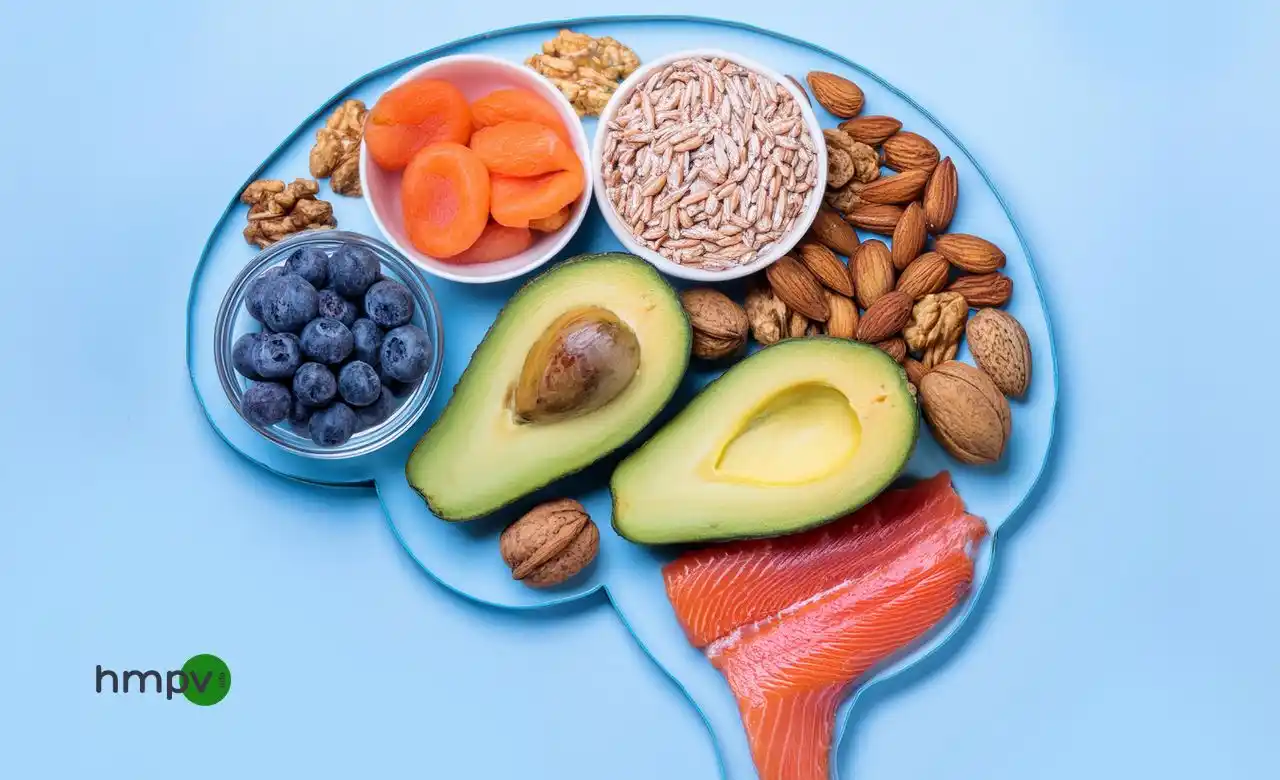
Did you know that your gut and brain are deeply connected? It’s true! Your digestive system doesn’t just handle food; it also plays a huge role in how you feel mentally and emotionally. This is called the gut-brain connection, and it’s more powerful than you might think. In fact, scientists now know that your gut health can affect your mood, mental clarity, and even stress levels.
Your Gut: More Than Just Digestion
Your gut, often referred to as your “second brain,” contains millions of nerve cells. It’s home to a vast network of microbes (tiny bacteria, fungi, and viruses) that help break down food and absorb nutrients. But these microbes do more than just digest food—they communicate directly with your brain. This connection is made possible by a complex system called the vagus nerve.
The vagus nerve is the largest nerve in your body, and it acts as a communication highway between your gut and brain. This means the state of your gut can directly impact your mood, thoughts, and emotions. When your gut is in trouble, your mental health might suffer as well.
How Your Gut Affects Your Mood
Ever noticed how eating a healthy meal makes you feel good, or how a junk food binge leaves you feeling sluggish and moody? That’s your gut talking to you! Your gut produces about 90% of the body’s serotonin, a key hormone that regulates mood, happiness, and well-being. If your gut is healthy, it can produce serotonin more efficiently, leading to better mood regulation.
On the flip side, if your gut is out of balance (a condition called dysbiosis), it may affect serotonin production, leading to feelings of anxiety, depression, or irritability. Studies have shown that people with gut issues are more likely to experience mental health struggles, such as anxiety and depression.
Stress and Your Gut
Have you ever felt “butterflies” in your stomach before an important event, or experienced stomach cramps during a stressful situation? This is your gut reacting to stress. When you’re stressed, your body releases hormones like cortisol, which can affect the balance of bacteria in your gut. Chronic stress can lead to digestive problems such as bloating, gas, or even more serious conditions like irritable bowel syndrome (IBS).
The more stress you experience, the more your gut health can suffer. And the worse your gut health gets, the more stressed you might feel. It’s a cycle that keeps repeating itself, affecting both your mental and physical health.
The Role of Probiotics and Diet
So, how can we break the cycle and improve both our gut and mental health? The answer lies in probiotics and a gut-friendly diet. Probiotics are the “good bacteria” that help maintain a healthy gut. By including probiotic-rich foods like yogurt, kefir, and sauerkraut in your diet, you can restore balance to your gut and potentially improve your mood.
Eating a diet rich in fiber (from fruits, vegetables, and whole grains) and healthy fats (like those from avocados and olive oil) can also help nourish the gut, making it more resilient to stress and improving overall brain function.
Take Care of Your Gut, Take Care of Your Mind
When we talk about health, we often think about exercise, sleep, and diet. But don’t forget the gut! By focusing on gut health, you can not only improve your digestion but also boost your mental well-being.
If you’re feeling stressed, anxious, or just not your best, take a look at your gut health. Consider adding more probiotic foods, cutting down on sugar and processed foods, and managing stress through activities like yoga, meditation, or regular walks. The gut-brain connection is real, and by nurturing your gut, you can support your mental health and feel better overall.
Final Thoughts
Remember, a healthy gut isn’t just about good digestion—it’s about a happier, healthier mind. The next time you’re feeling off mentally or emotionally, think about your gut. Taking care of both your gut and your mind is a powerful way to improve your quality of life. Feed your gut well, and it will feed your brain with the right signals for a brighter, happier you!












Leave a Reply