

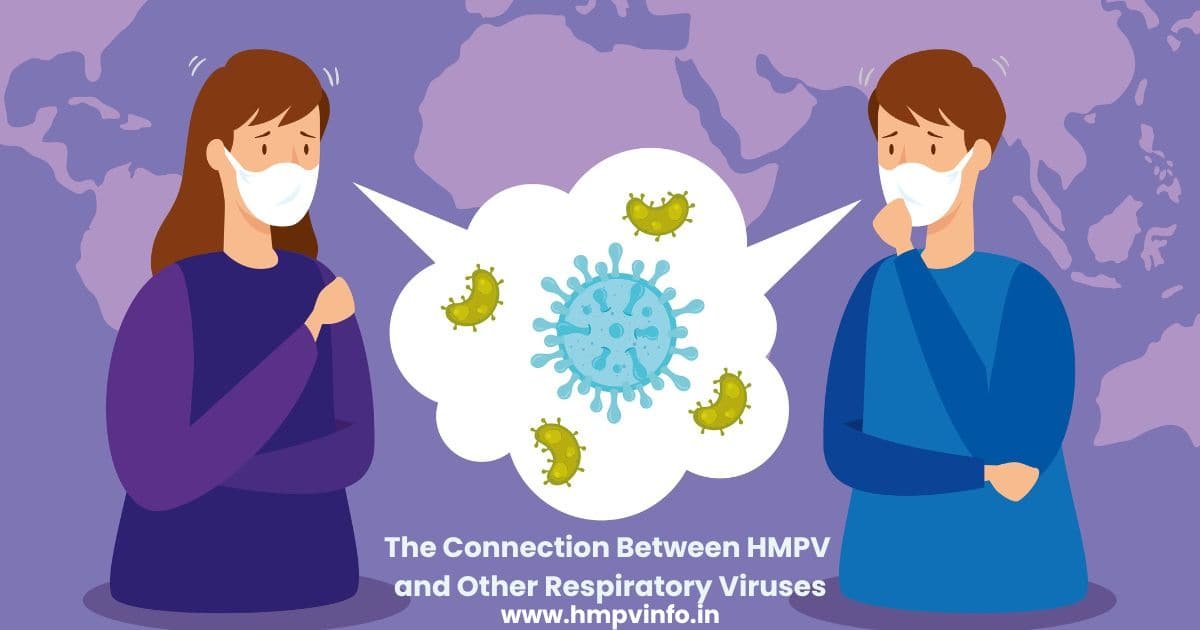
The Connection Between HMPV and Other Respiratory Viruses
Human Metapneumovirus (HMPV) is a lesser-known yet significant player in the realm of respiratory viruses. It often shares the spotlight with its more infamous counterparts, such as Respiratory Syncytial Virus (RSV), influenza, and even COVID-19. Understanding how HMPV relates to these viruses can help in diagnosis, treatment, and prevention, especially during seasonal outbreaks. In this blog, we’ll explore the similarities, differences, and potential interactions between HMPV and other respiratory viruses.
What Is HMPV?
HMPV is a respiratory virus belonging to the Pneumoviridae family, first identified in 2001. It primarily affects the respiratory tract, causing symptoms like cough, fever, nasal congestion, and shortness of breath. While it can infect people of all ages, young children, the elderly, and individuals with weakened immune systems are at a higher risk of severe disease. HMPV circulates seasonally, typically peaking in late winter and early spring.
HMPV and RSV: Striking Similarities and Key Differences
HMPV and RSV are closely related, both belonging to the same virus family, and share several characteristics.
Similarities:
- Symptoms: Both viruses cause respiratory symptoms, including wheezing, difficulty breathing, and fever. In severe cases, they can lead to bronchiolitis or pneumonia.
- At-Risk Groups: Infants, older adults, and immunocompromised individuals are most vulnerable.
- Seasonality: HMPV and RSV often overlap during seasonal outbreaks, complicating diagnosis.
Differences:
- Transmission: RSV is more contagious than HMPV, making it a bigger concern in daycare and healthcare settings.
- Severity: RSV tends to cause more severe illness in infants, while HMPV has a broader impact across age groups.
- Diagnostic Challenges: Differentiating between HMPV and RSV often requires specific laboratory tests due to their clinical similarities.
HMPV vs. Influenza: Comparing Symptoms and Impact
While HMPV and influenza are both respiratory viruses, their clinical presentations and public health impact differ significantly.
Symptoms:
- HMPV: Primarily causes upper respiratory symptoms, such as cough, nasal congestion, and mild fever.
- Influenza: Often presents with systemic symptoms, including high fever, body aches, chills, and fatigue.
Transmission and Prevention:
- Both viruses spread through respiratory droplets, but influenza has a more rapid and widespread transmission rate.
- Influenza vaccines are widely available, whereas there is no vaccine yet for HMPV.
Impact on Public Health:
While influenza garners more attention due to its annual vaccine campaigns and higher hospitalization rates, HMPV is an under-recognized contributor to seasonal respiratory illnesses.
HMPV and COVID-19: Overlapping Symptoms and Distinctions
The COVID-19 pandemic has highlighted the importance of distinguishing between respiratory viruses, as many share similar symptoms.
Similarities:
- Both HMPV and COVID-19 can cause fever, cough, and shortness of breath.
- At-risk populations, such as older adults and those with chronic conditions, are more likely to experience severe disease.
Differences:
- Causative Agent: HMPV is caused by a pneumovirus, while COVID-19 is caused by the SARS-CoV-2 coronavirus.
- Severity: COVID-19 has a much higher potential for severe illness, long-term complications, and death compared to HMPV.
- Testing: Diagnostic tests for COVID-19 are widely available, whereas HMPV requires more specialized testing.
Co-Infection Risks: Can HMPV Co-Exist with Other Respiratory Viruses?
Co-infections involving HMPV and other respiratory viruses, such as RSV, influenza, or even COVID-19, are possible and can complicate both diagnosis and treatment. Studies suggest that co-infections may lead to more severe symptoms and longer recovery times, especially in young children and immunocompromised individuals.
Healthcare providers need to be vigilant in testing for multiple pathogens during peak respiratory virus seasons to ensure accurate diagnosis and appropriate management.
Shared Prevention and Treatment Approaches
Although HMPV, RSV, influenza, and COVID-19 are caused by different viruses, many prevention strategies overlap:
- Hygiene Practices: Wash hands frequently, avoid touching your face, and disinfect high-touch surfaces.
- Vaccination: While vaccines exist for influenza and COVID-19, ongoing research is working toward developing vaccines for HMPV and RSV.
- Symptom Management: Rest, hydration, and over-the-counter medications are common treatments for mild cases. Severe cases may require hospitalization and supportive care.












Seasonality of HMPV: When Is It Most Common?
[…] HMPV and RSV peak in late winter and early […]