

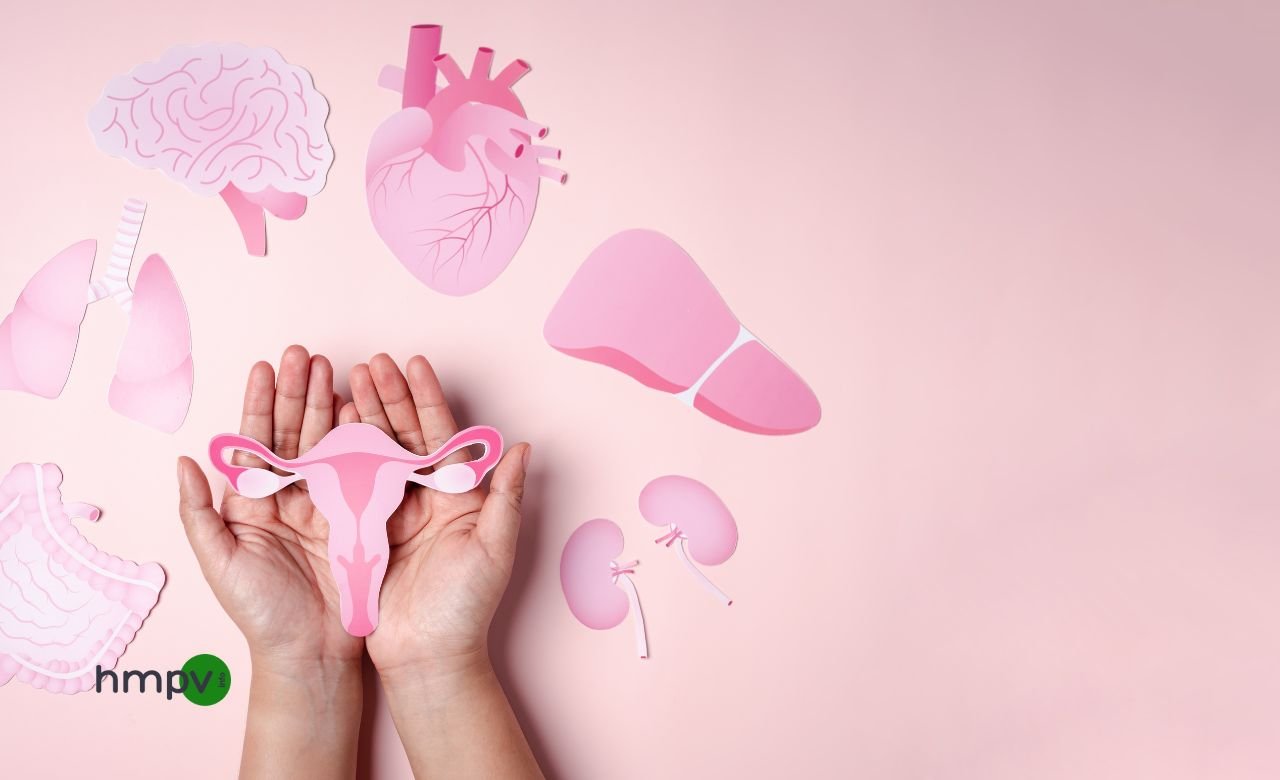
Polycystic Ovary Syndrome (PCOS) isn’t just a health issue; it’s a life-altering condition that affects millions of women around the world. Yet, it remains misunderstood and often overlooked. Whether you’re battling PCOS yourself, supporting a loved one, or just curious about your health, understanding this condition could change your life or someone else’s.
What Is PCOS?
PCOS is a hormonal imbalance that primarily affects women of reproductive age. It throws the body’s natural hormone production off-balance, leading to irregular periods, excess male hormones (androgens), and often, multiple cysts on the ovaries. But PCOS isn’t just about the ovaries—it’s a full-body issue that can impact your skin, weight, mood, and even your heart health.
The Real Causes Behind PCOS
Science hasn’t nailed down one clear cause of PCOS, but several factors seem to play a role:
- Insulin Resistance: Your body might not use insulin effectively, causing high blood sugar levels. This often triggers the body to produce more androgens.
- Hormonal Imbalance: Elevated levels of male hormones lead to many PCOS symptoms like acne, excess hair growth, and irregular periods.
- Genetics: If your mother, sister, or aunt has PCOS, you might be more likely to experience it too. Family history can be a powerful predictor.
- Chronic Inflammation: Research suggests that women with PCOS often have low-grade inflammation, which may contribute to higher androgen levels.
Symptoms That Shouldn’t Be Ignored
PCOS symptoms can be sneaky and vary from person to person. Here are some red flags:
- Irregular periods or no periods at all
- Weight gain that seems impossible to control
- Acne that lingers well past your teenage years
- Excess hair growth on the face, chest, or back (hirsutism)
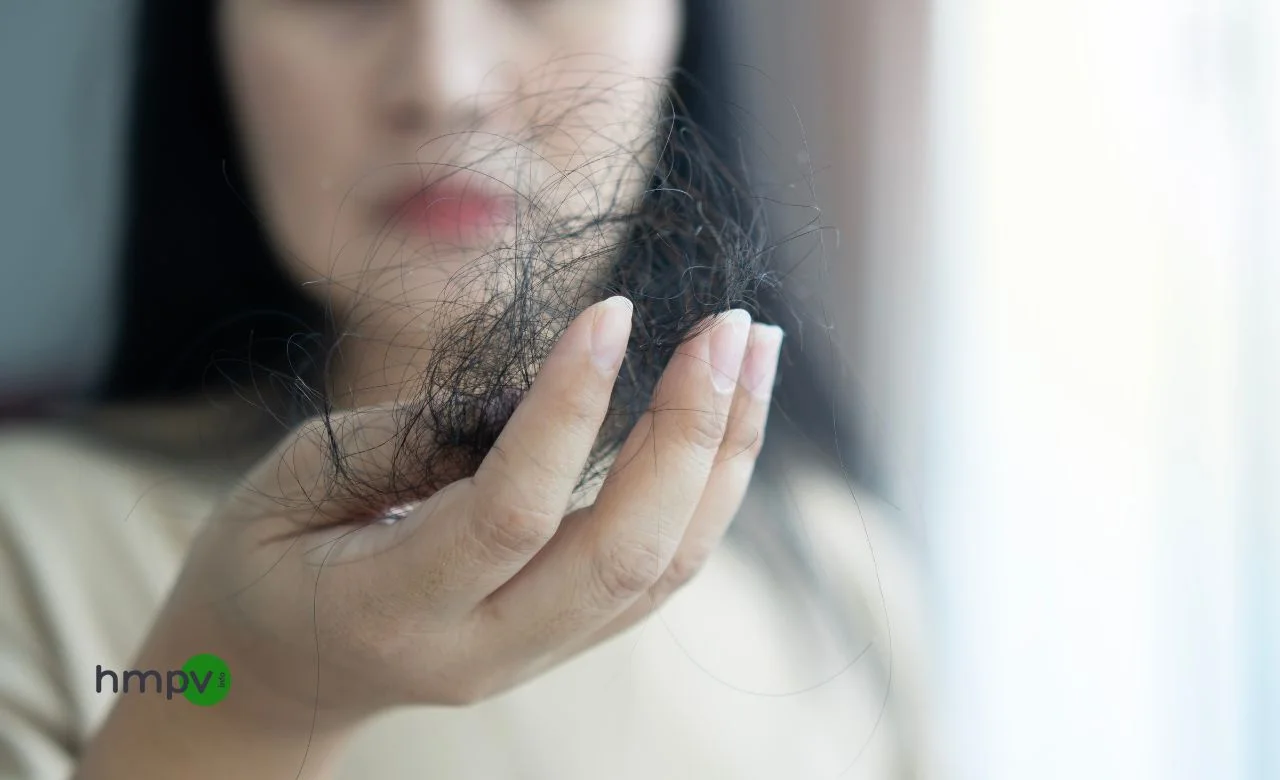
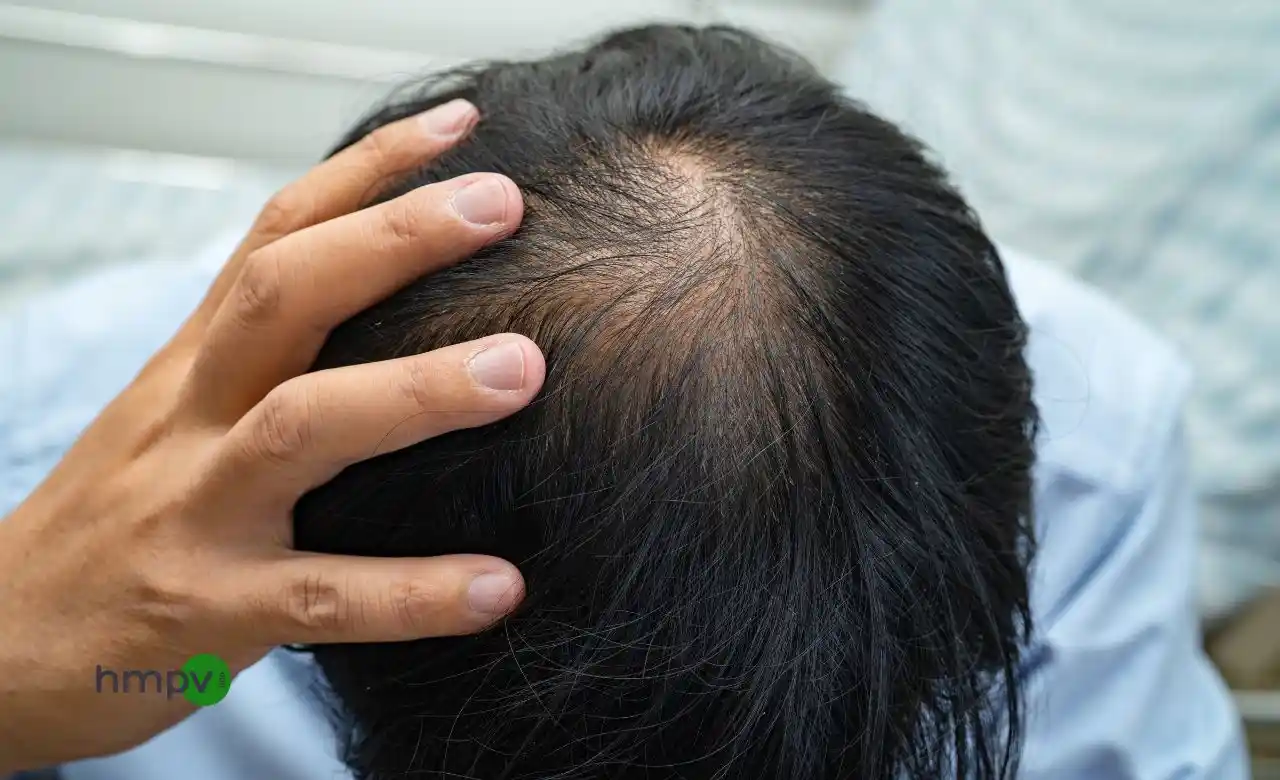
- Thinning hair or hair loss from the scalp
- Mood swings, anxiety, or depression
- Difficulty getting pregnant due to irregular ovulation
If any of these symptoms resonate with you, it’s time to speak up. Don’t let anyone brush off your concerns.
Treatment Options That Empower You
There is no one-size-fits-all cure for PCOS, but you can manage the condition effectively with the right plan. Here’s what works:
1. Lifestyle Changes
- Exercise regularly: Aim for at least 30 minutes of moderate exercise 5 days a week to improve insulin sensitivity.
- Eat smart: Focus on whole foods, lean proteins, healthy fats, and low-glycemic carbs to help balance blood sugar levels.
- Manage stress: Yoga, meditation, or even a walk in nature can lower cortisol levels, helping balance your hormones.
2. Medications
- Birth control pills can help regulate periods and reduce excess hair growth and acne.
- Metformin helps improve insulin resistance, particularly for those who are pre-diabetic.
- Fertility treatments like Clomid or Letrozole can help if you’re trying to conceive.
3. Natural Supplements
- Inositol (a B-vitamin-like compound) can improve insulin sensitivity.
- Vitamin D deficiency is common in women with PCOS and supplementation can help manage symptoms.
The Mental Health Connection
PCOS doesn’t just affect your body; it can weigh heavily on your mental health. Anxiety, depression, and body image struggles are common. Surround yourself with a supportive network, seek professional help if needed, and remember: You are not defined by your diagnosis.
Why Early Diagnosis Matters
Early intervention can prevent long-term complications such as type 2 diabetes, heart disease, and infertility. The sooner you act, the better your chances of managing PCOS effectively.
Final Thoughts: You Are Stronger Than PCOS
Living with PCOS can feel overwhelming, but knowledge is power. Armed with the right information, a proactive mindset, and support from healthcare professionals, you can take control of your health. Your journey may not be easy, but every small victory counts. Remember, you are more than your symptoms, and every step forward is a triumph worth celebrating.
Read More Articles
Eczema vs. Psoriasis: Key Differences and Treatment Options











Leave a Reply